
A common assumption in hospitality is that wellness requires a spa.
For large resorts, that may be true. But for small hotels, guesthouses, lodges, and glamping sites, building a full-service spa is often unrealistic due to the cost, complexity, and operational demands.
Fortunately, wellness doesn't have to mean treatment rooms and six-figure renovation budgets.
Small hospitality businesses are increasingly attracting wellness-minded travelers with relatively simple amenities that require little infrastructure, such as sauna tents, cold plunges, and outdoor relaxation spaces. These additions can improve guest satisfaction, increase direct bookings, and ultimately boost RevPAR—without adding more rooms.
For hotel buyers, they can also represent an attractive way to create value without expanding the property.
If you're evaluating a hotel acquisition, or looking for ways to improve the performance of an existing property, here are seven wellness amenities worth considering.
Saunas continue to grow in popularity among wellness travelers, but building a permanent sauna can be expensive. A sauna tent offers a simpler alternative. These portable structures use wood-burning stoves to create an authentic sauna experience without requiring a dedicated building, utilities, or major construction work.
For small hotels, guesthouses, and glamping sites, they provide an affordable way to add a wellness offering, test guest demand, and create a visually distinctive feature that stands out in listing photos and social media.
.webp)
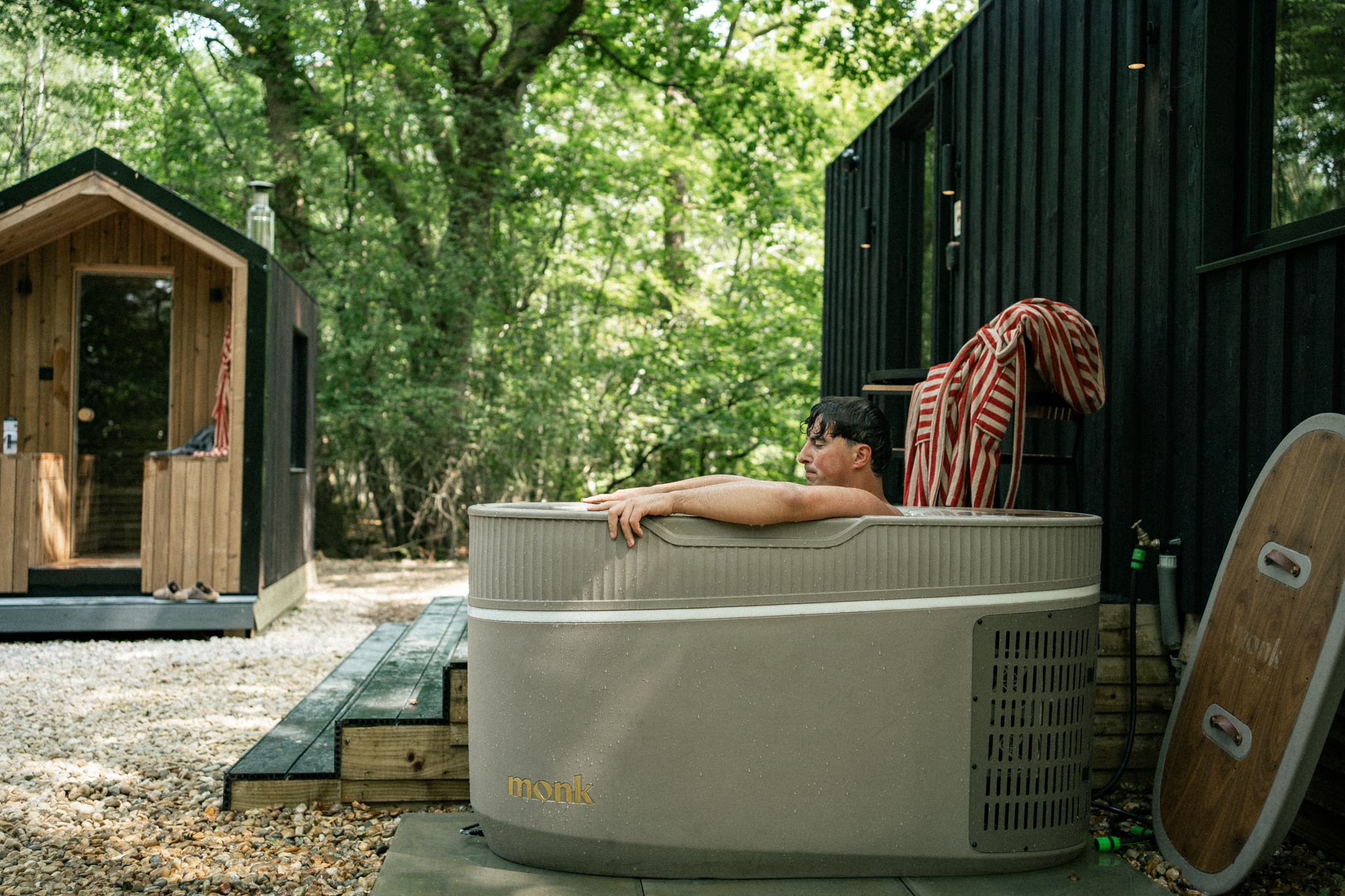
Cold-water immersion has moved from elite athletics into mainstream travel, and many guests now actively seek it out as part of a wellness experience. Unlike most spa facilities, cold plunges require little space, minimal infrastructure, and limited ongoing maintenance.
They pair naturally with saunas, are easy for guests to understand, and help position a property within the growing recovery and wellness travel market.
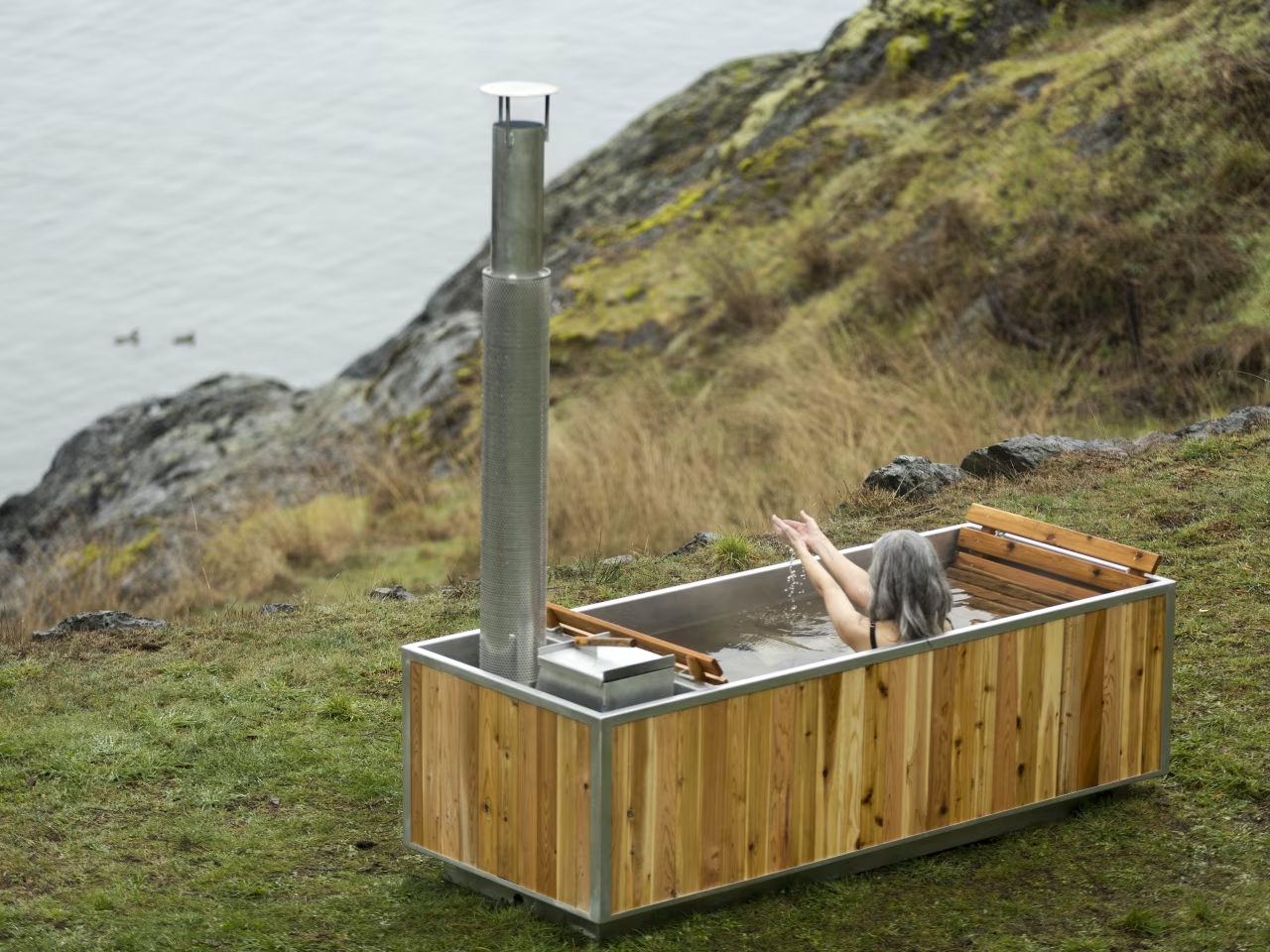
Few amenities create a stronger sense of escape than a wood-fired hot tub. Guests aren't simply booking warm water, they're booking the experience of soaking outdoors after a hike, under the stars, or during winter snowfall.
Compared to a traditional spa, installation and operations are relatively straightforward, while the guest appeal is exceptionally high. They're also among the most photographed amenities a small hotel can add and can help justify premium room rates.
A yoga deck is one of the most flexible wellness investments a small hotel can make. A simple platform overlooking a forest, vineyard, mountain range, or lake can support yoga classes, meditation sessions, sound baths, retreats, and private guest use.
The infrastructure requirements are modest, but the space can significantly strengthen a property's wellness positioning while making better use of outdoor areas.
A barefoot wellness trail is a walking path made from different natural surfaces such as pebbles, sand, wood, bark, gravel, and grass. Guests walk the trail barefoot, creating a sensory experience that encourages mindfulness and a stronger connection with nature.
For small hotels, it’s an affordable way to create a unique wellness feature using existing outdoor space. Infrastructure requirements are modest, maintenance is relatively straightforward, and the trail can become a memorable part of the guest experience without requiring dedicated staff or programming.

Not every wellness amenity needs water, heat, or specialized equipment. A Zen garden can transform an underused outdoor area into a dedicated space for relaxation and reflection using little more than gravel, rocks, plants, pathways, and seating.
Compared to most wellness amenities, the infrastructure requirements are minimal and ongoing maintenance is relatively low. Zen gardens support trends such as mindfulness, slow travel, and digital detox while creating an attractive outdoor feature that guests can enjoy throughout the year. They also photograph well and can help strengthen a property’s overall sense of place.
Typical cost: €5,000–€10,000
Installation difficulty: Easy
Guest appeal: Medium

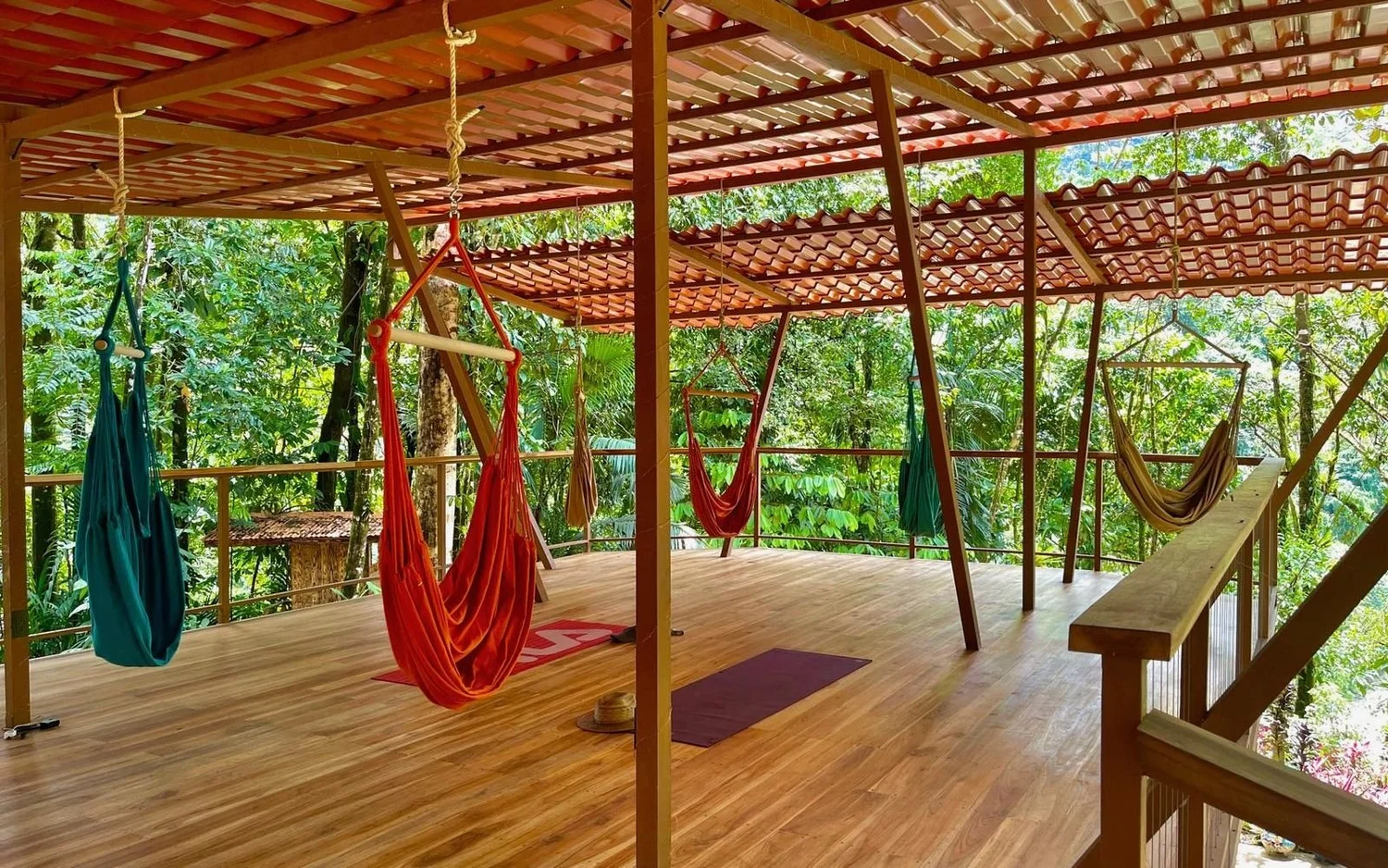
Outdoor floating nets transform unused outdoor space into a memorable guest experience. Suspended between trees, decks, or elevated structures, they encourage guests to relax, read, nap, and spend more time immersed in nature.
They require relatively little infrastructure compared to many wellness amenities and deliver strong marketing value thanks to their visual appeal and shareability on social media.

The best wellness amenity depends on the type of property and guest profile.
For most small hotels, sauna tents and cold plunges offer the lowest barrier to entry thanks to their relatively low upfront cost and simple setup requirements. Wood-fired hot tubs typically require more investment and maintenance but often deliver stronger guest appeal and marketing value.
Amenities such as yoga decks and floating nets may not directly increase room rates, but they can help strengthen a property's overall positioning and create a more memorable guest experience.
It's important to remember that wellness amenities aren't entirely passive investments. Hot tubs need cleaning, cold plunges require maintenance, and wellness activities often benefit from some level of guest guidance or programming.
The good news is that hotels don't always need to manage everything themselves. Many properties collaborate with local yoga instructors, breathwork coaches, sauna operators, sound bath facilitators, and retreat organizers who can provide experiences on demand or during specific events.
For small hotels, this approach can be particularly attractive. Instead of building a complex spa operation, owners can combine simple wellness infrastructure with local expertise to create guest experiences that would otherwise be difficult to offer.
Sometimes the opportunity isn't adding more rooms or more facilities. It's finding new ways to create value from the space and assets already in place.
Peter Fabor is a hospitality entrepreneur with 15+ years of experience building niche businesses across hotels, coliving, coworking, retreats, and hospitality tech. He is the founder of Surf Office, Buy That Hotel, Hotel Nuggets, and Pingotel. His work focuses on identifying underserved hospitality markets and building businesses around them.