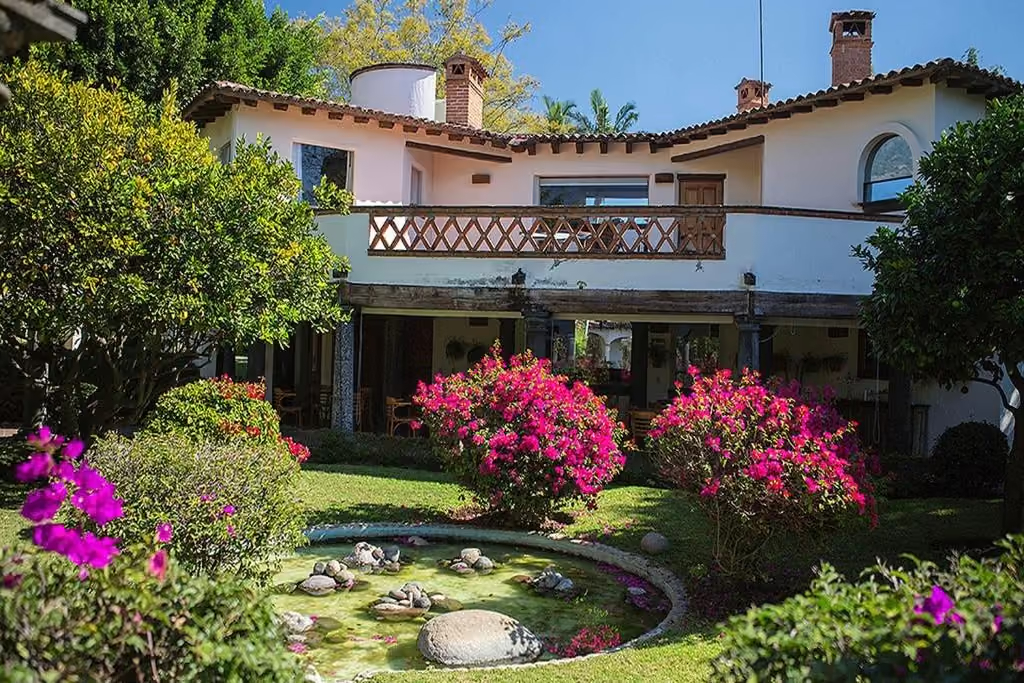
🕵️ We track public listings on 60 real estate websites, curate them, and do some detective work to determine their future potential.
Mexico is one of the world's largest and most diverse hospitality markets. Caribbean and Pacific coastlines, major cities, colonial centers, desert landscapes, jungles, mountain towns, and cultural destinations support concepts ranging from beachfront boutiques and urban hotels to surf lodges, wellness retreats, and nature-led properties.
For hotel investors, Mexico combines very large visitor volumes with strong domestic demand, proximity to the United States and Canada, extensive air connectivity, and opportunities across established resorts and emerging markets. Whether you’re looking for a boutique hotel in Mérida, a beachfront property in Tulum, or a wellness retreat on the Pacific coast, Mexico offers hospitality investment opportunities across a wide range of budgets and strategies.
In 2025, Mexico welcomed 47.8 million international tourists and generated approximately $35 billion in international visitor receipts.
Tourism contributes around 8.6% of GDP and remains one of the country’s most important industries.
According to a 2024 report, the country had approximately 895,000 hotel rooms across 27,000 lodging establishments.
Few markets combine Mexico's tourism scale, North American proximity, domestic demand, and destination diversity.
Mexico benefits from a globally recognized tourism brand built around beaches, food, culture, archaeology, nature, wellness, nightlife, events, and business travel. International demand is supported by strong air links, while domestic visitors add resilience in many city, cultural, and weekend markets.
One of the biggest attractions for hotel investors is the diversity of opportunities available. Buyers can choose between beachfront hotels, urban boutiques, guesthouses, heritage mansions, surf and kitesurf properties, eco-retreats, glamping concepts, coliving businesses, restaurant hotels, and value-add repositioning projects.
Mexico’s monitored hotel markets averaged 59.3% occupancy in 2024, with beach destinations outperforming cities on both occupancy and ADR.
Mexico is not without challenges. International arrivals are heavily concentrated through Cancún International Airport, while visitors from the United States account for the majority of inbound tourism. Property title, land tenure, foreign ownership structures, tourism licensing, coastal and environmental regulations, utilities, climate exposure, and security can all vary significantly by location, making thorough local due diligence essential.
For buyers willing to understand these dynamics, Mexico offers one of the Americas' broadest hospitality markets and opportunities across a wide range of budgets.
Mexico offers opportunities across resort markets, coastlines, colonial cities, desert regions, mountain towns, and domestic weekend destinations. The right location depends on budget, target guest, operating model, seasonality and climate exposure, and the local legal and regulatory environment.
| Region | Best For | Typical Hotel Types | Advantages | Considerations |
|---|---|---|---|---|
| Quintana Roo | Resort and lifestyle buyers | Beach hotels, boutique hotels, wellness retreats | Strong international demand, high ADR, established tourism infrastructure | Higher acquisition costs and strong competition |
| Yucatán | Heritage and lifestyle buyers | Heritage hotels, boutique hotels, guesthouses | Growing cultural tourism, year-round domestic demand | Smaller international market |
| Oaxaca | Surf, wellness, and nature buyers | Boutique hotels, eco-lodges, retreats | Distinctive cultural identity and growing lifestyle tourism | Limited infrastructure in some destinations |
| Baja California Peninsula | Lifestyle and luxury buyers | Boutique hotels, eco-lodges, luxury resorts | Premium room rates, international reputation, outdoor tourism | Water constraints and remote locations |
| Nayarit & Jalisco | Pacific lifestyle buyers | Boutique hotels, beach hotels, guesthouses | Strong leisure demand and international air access | Growing competition in established destinations |
| Central Mexico | Weekend and retreat buyers | Boutique hotels, retreats, glamping | Large domestic tourism market and proximity to Mexico City | Lower international visibility |
Quintana Roo is Mexico’s premier tourism market, home to destinations such as Tulum, Cancún, Playa del Carmen, Holbox, Bacalar, and Isla Mujeres. The state offers some of the country’s strongest international demand, making it a popular choice for buyers seeking beachfront hotels, boutique properties, wellness retreats, and lifestyle hospitality concepts.
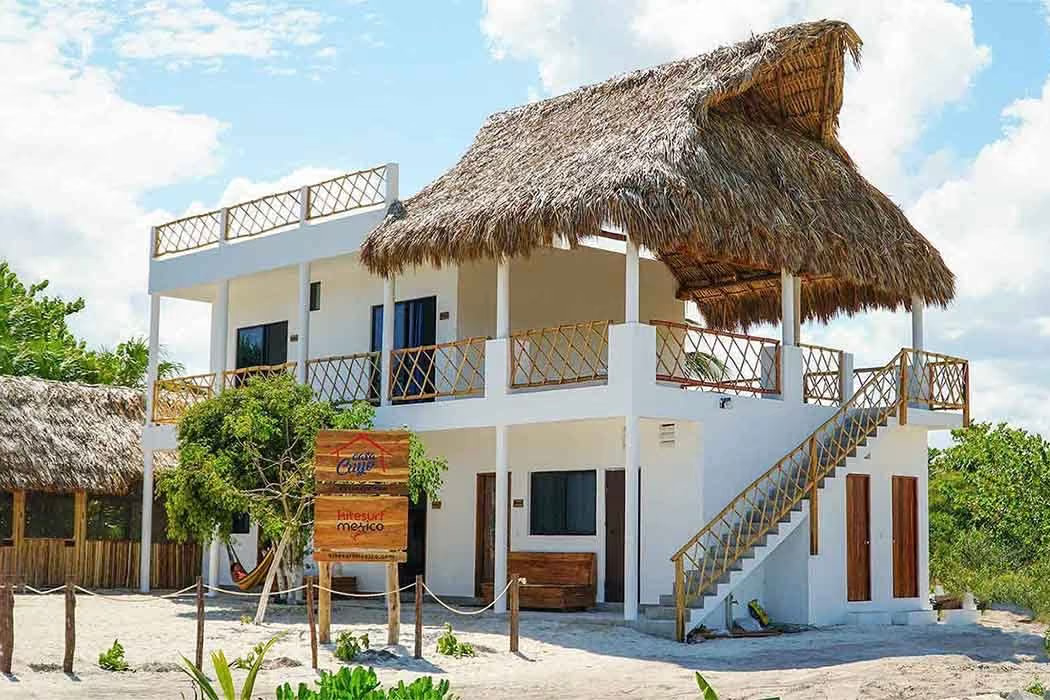
Yucatán combines Mérida’s growing cultural and business tourism market with quieter Gulf Coast destinations such as Celestún and El Cuyo. The region appeals to buyers looking for heritage hotels, boutique guesthouses, and smaller hospitality businesses with a stronger domestic demand base than many beach destinations.
Oaxaca has become one of Mexico’s most distinctive hospitality markets, driven by its rich culture, gastronomy, and Pacific coastline. Destinations such as Puerto Escondido and Huatulco attract surfers, wellness travellers, digital nomads, and boutique hotel investors seeking experience-led properties.
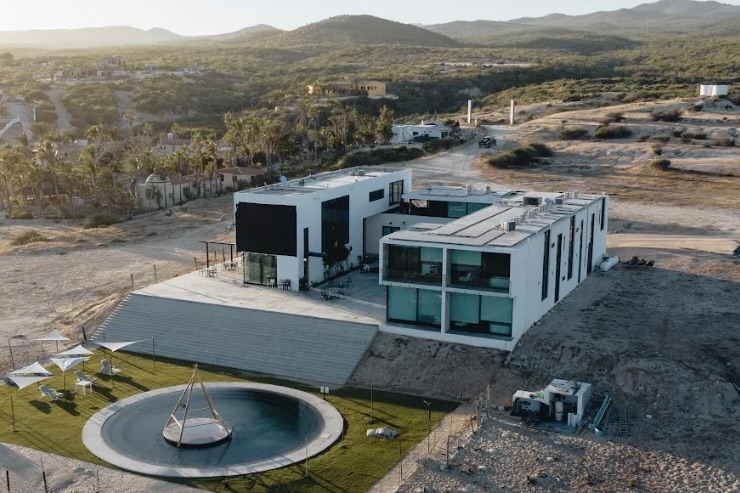
The Baja Peninsula offers a diverse mix of luxury, adventure, and nature-based tourism. Los Cabos is one of Mexico’s highest-performing hotel markets, while destinations such as Todos Santos, Loreto, and La Paz appeal to buyers looking for boutique hotels, eco-lodges, and lower-density hospitality concepts.
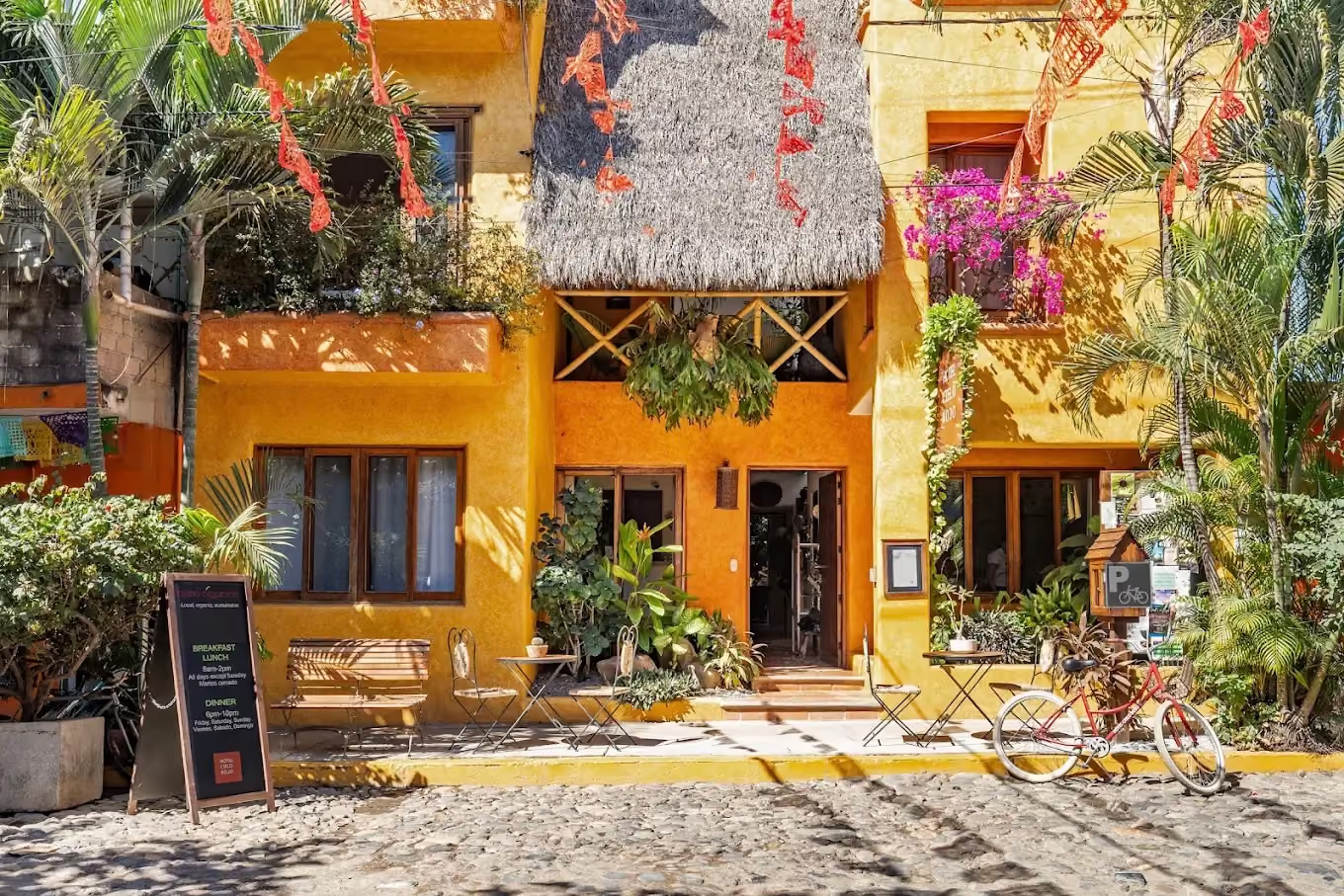
Nayarit and Jalisco combine the international gateway of Puerto Vallarta with the rapidly growing Riviera Nayarit coastline. Destinations such as Sayulita and San Pancho have become popular with boutique hotel, surf, wellness, and lifestyle investors, while Puerto Vallarta supports a broader full-service hotel market.
Central Mexico attracts domestic leisure, wellness, and weekend tourism from Mexico City and other major urban centres. Destinations such as Tepoztlán and Valle de Bravo are well known for boutique hotels, retreats, and nature-focused hospitality businesses that benefit from year-round domestic demand.
The cost of buying a small hotel in Mexico varies significantly depending on location, room count, condition, seasonality, and proximity to the coast.
While every property is different, the following ranges provide a useful benchmark for buyers evaluating hotels for sale in Mexico:
| Budget Range | Typical Opportunities | Example Opportunity |
|---|---|---|
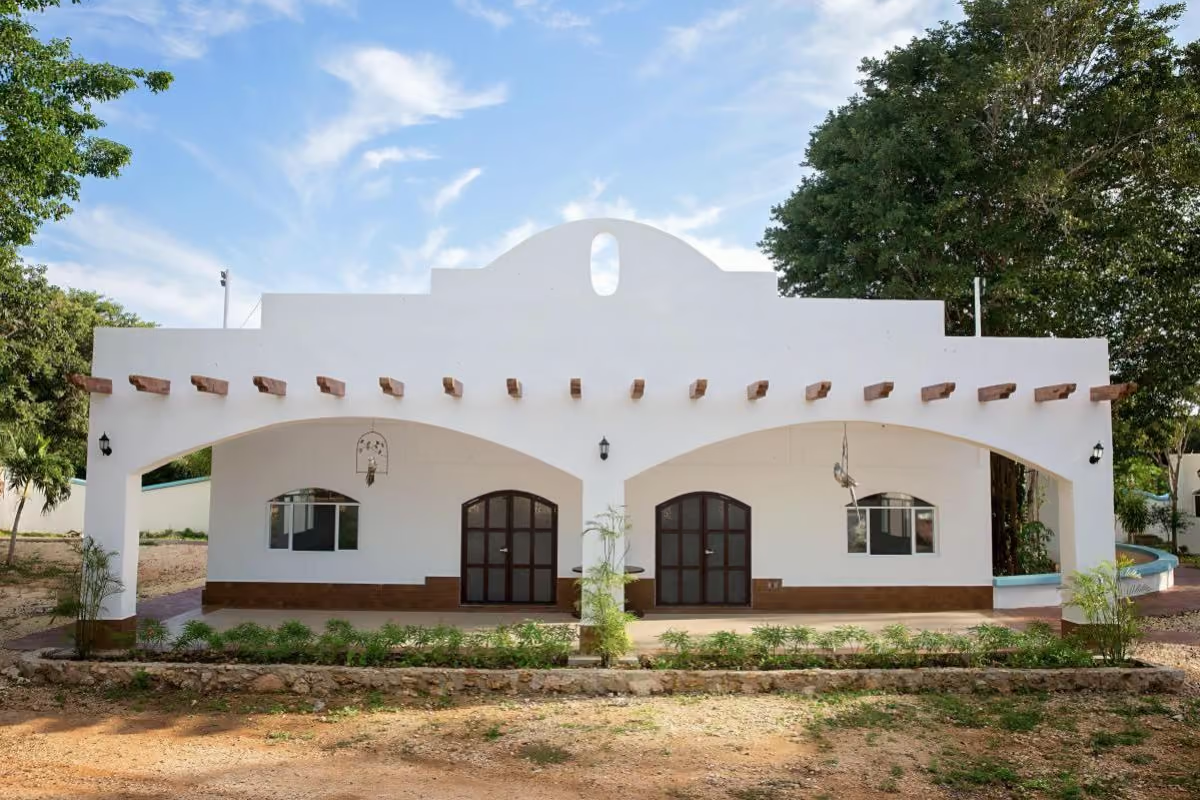
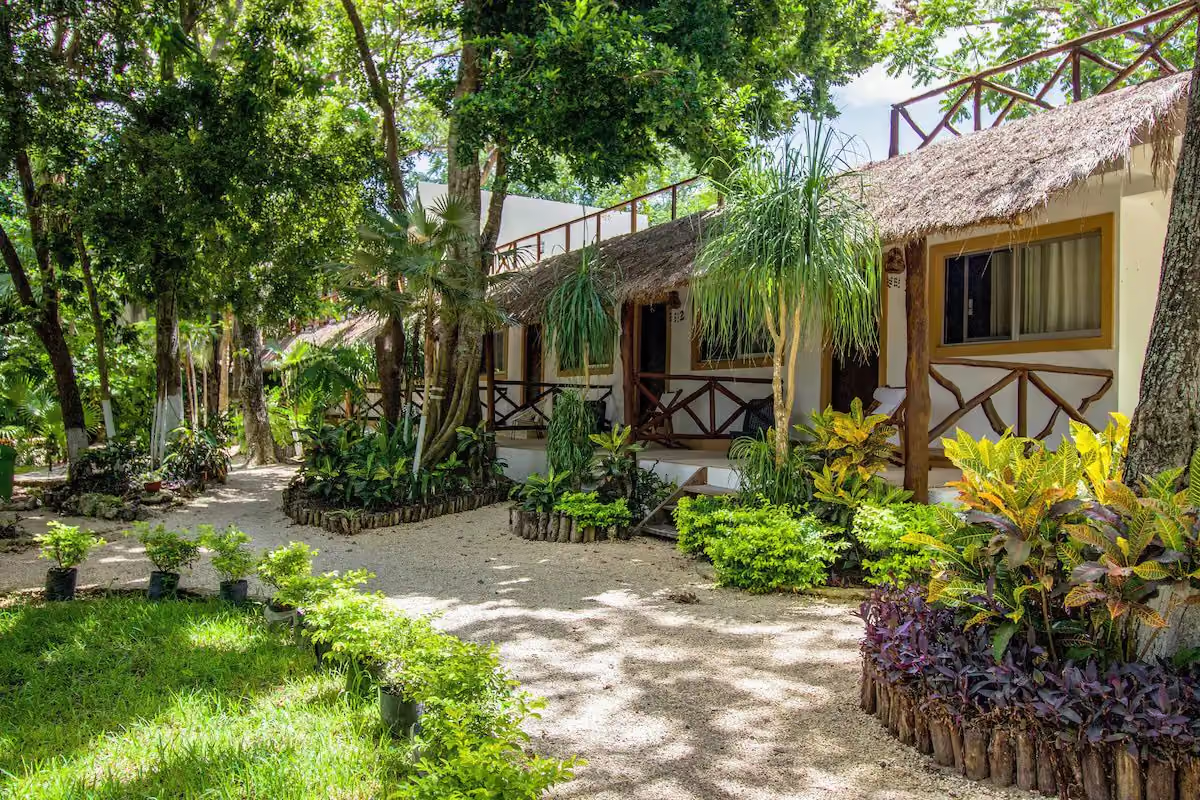
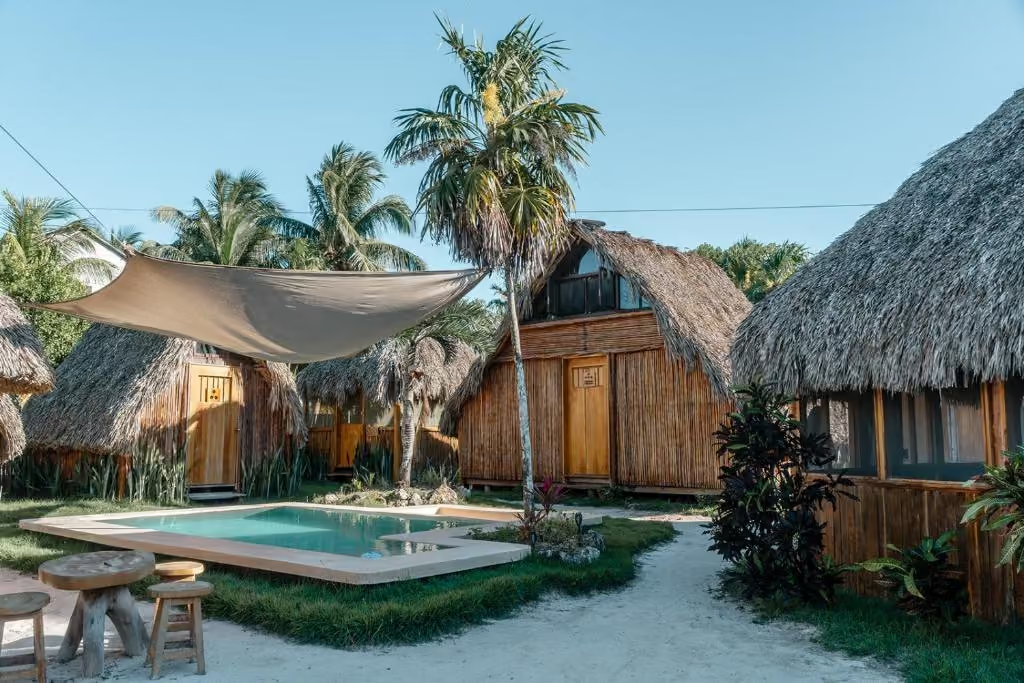
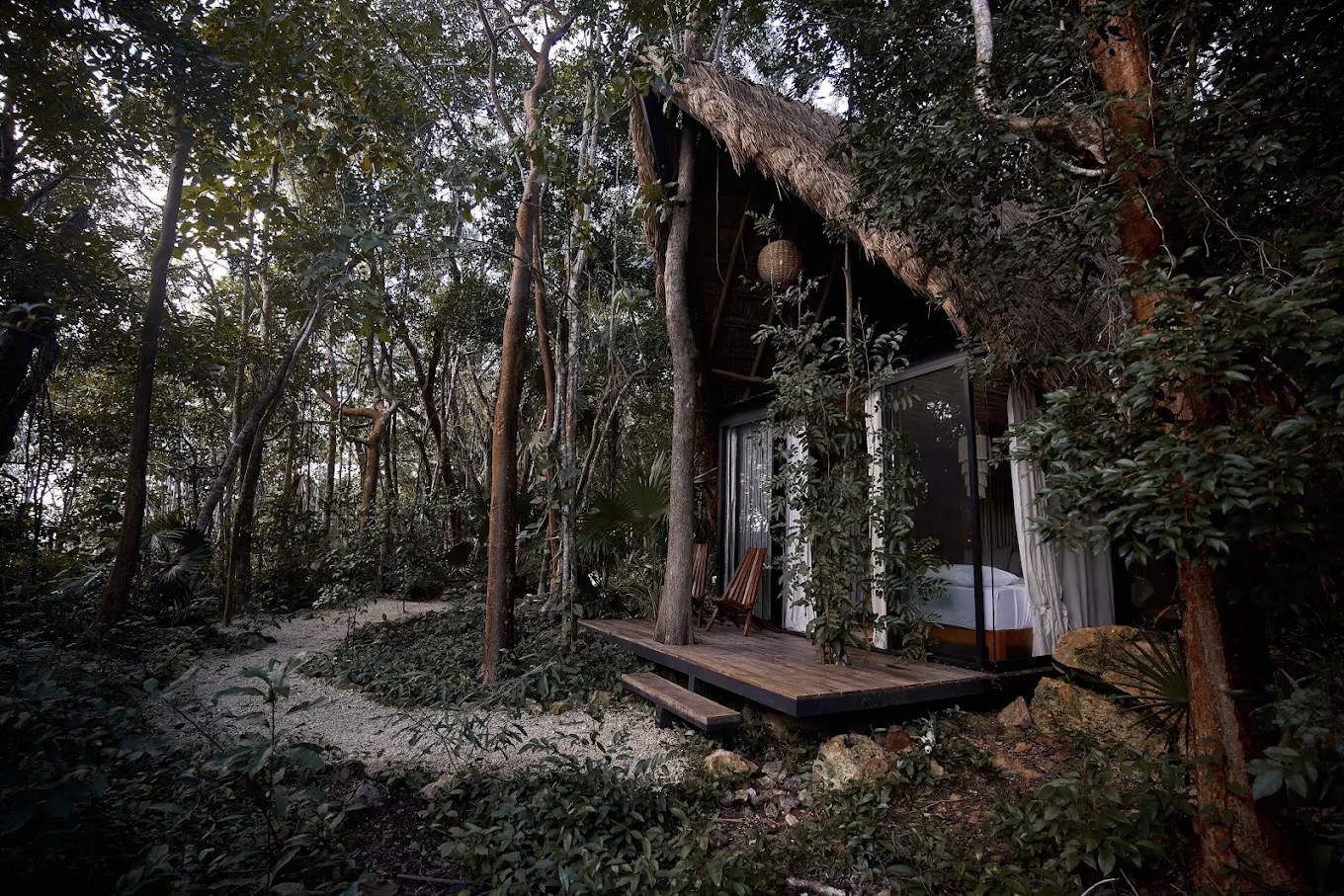
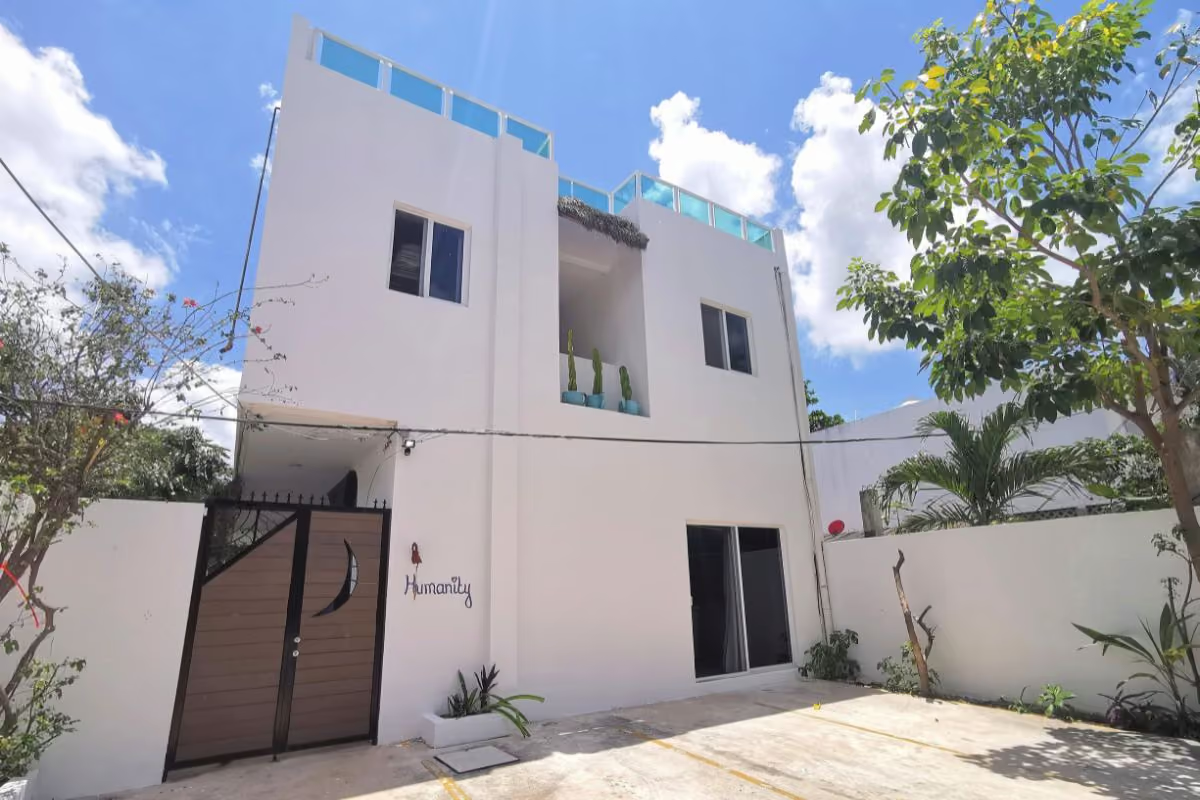
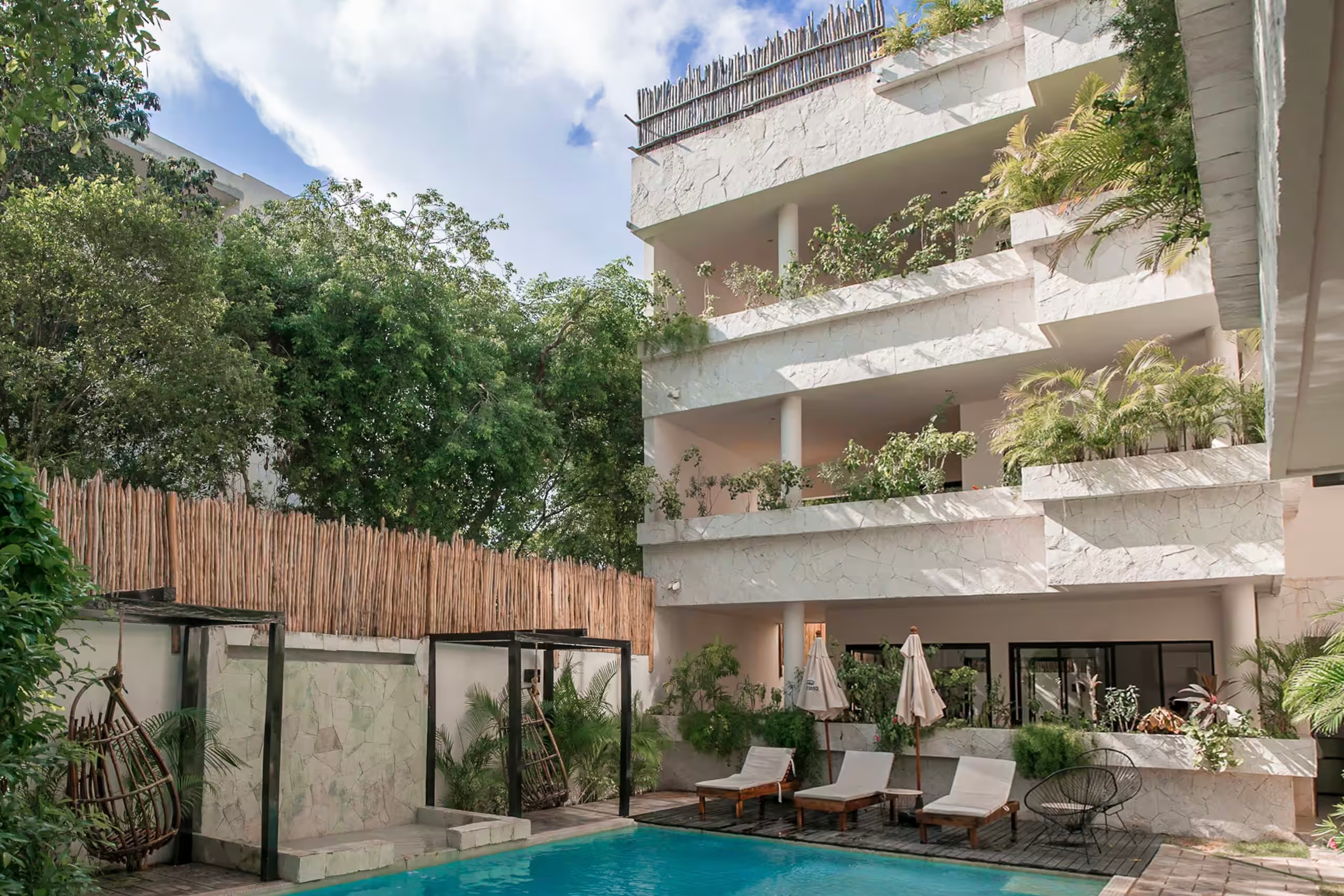
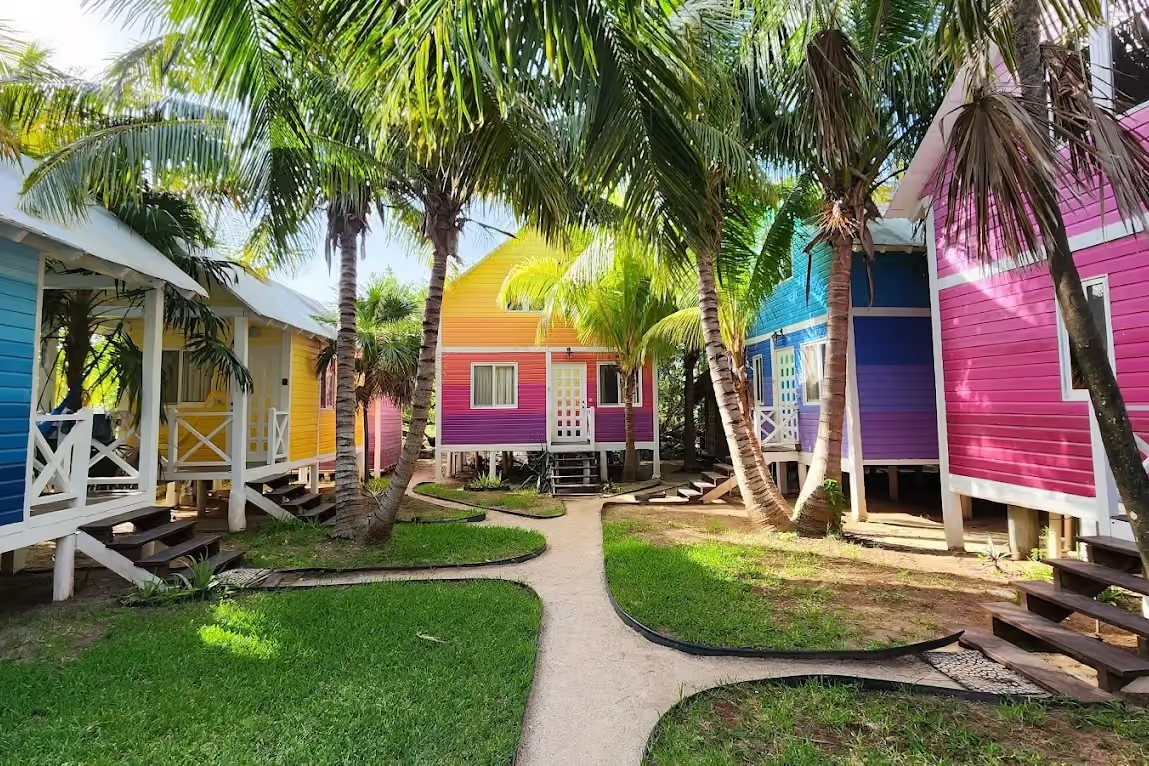
| Under $1M | Guesthouses, jungle lodges, renovation projects | Boutique Jungle Hotel Near Tulum ($480k) or Tropical Cabin Complex in Holbox ($865k) |
| $1M-$2M | Boutique hotels, beachfront guesthouses | Boutique Lifestyle Hotel in Tulum ($1M) or Chic Boutique Hotel in San Pancho ($1.15M) |
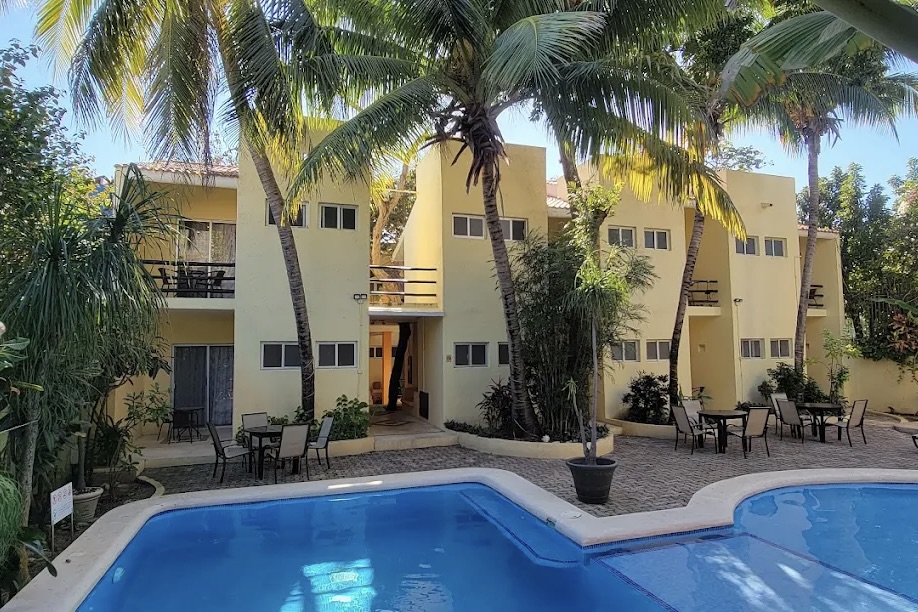
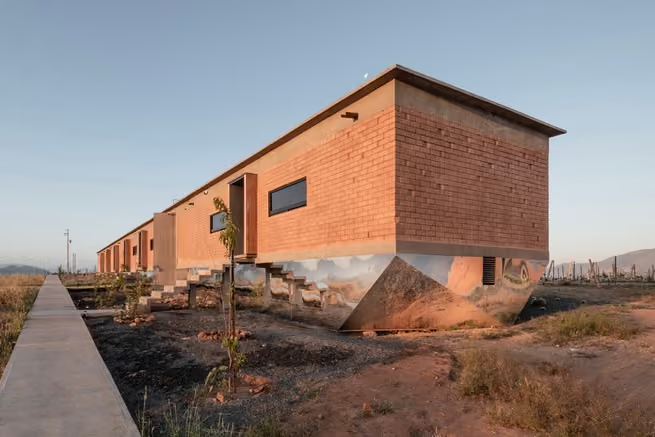
| $2M-$5M | Mini resorts, haciendas, lifestyle hotels | Boutique Villa Hotel in Puerto Vallarta ($2.2M), Sustainable Design Hotel in Valle de Guadalupe ($2.5M), or Boutique Beach Hotel in Holbox ($2.5M) |
| $5M+ | Premium beachfront hotels, Caribbean hospitality assets | Boutique Beachfront Resort near San José del Cabo ($5.2M) or Chic Hotel & Coliving in Tulum ($7.2M) |
In Mexico, location is one of the biggest drivers of hotel values. Premium destinations such as Los Cabos, Tulum, and the Riviera Maya generally command the highest prices, while regions including Yucatán, Oaxaca, and Central Mexico often offer lower entry points. Buyers should also pay close attention to property title, foreign ownership structures, tourism licensing, and coastal or environmental regulations, which can vary significantly between states and municipalities.
Based on hospitality businesses currently listed on Buy That Hotel in Mexico, the typical opportunity is a small to mid-sized hotel with approximately 12 rooms.
Current listings have an average asking price of approximately $2.6 million, with a median asking price of $2.25 million. Many properties are independently operated boutique hotels, guesthouses, eco-lodges, and small resorts rather than large branded hospitality assets.
Looking beyond headline asking prices, the average listing is marketed at approximately $207,000 per room, with a median of around $176,000 per room.
Property sizes vary considerably, but the average listing offers approximately 880 m² of built space. Across current listings, the average asking price is around $2,680 per m², with a median of approximately $2,630 per m².
As with any hospitality investment, location, beach access, ownership structure, tourism demand, property condition, and development potential can have a significant impact on value. As a result, two hotels with similar room counts may represent very different investment opportunities.
Buying a hotel in Mexico is generally straightforward, but investors should pay close attention to ownership structure, tourism licensing, and local regulations during the acquisition process. Requirements can vary between states and municipalities, making local due diligence particularly important.
One of the first steps is confirming clear ownership and the legal structure of the transaction. Buyers should review the escritura pública, seller authority, records in the relevant Public Registry of Property, cadastral information, liens, boundaries, and any outstanding property taxes or utility obligations.
It is also important to establish whether the property is private land or forms part of the ejido or communal land system. Where applicable, buyers should verify that any conversion to private ownership has been completed through the appropriate agrarian procedures.
Foreign buyers should also confirm the appropriate ownership structure. Within 100 km of international borders and 50 km of the coast, foreign ownership is subject to special rules and may require a fideicomiso or Mexican-company structure, depending on the property’s location and use.
Hotels should hold the appropriate tourism registrations and operating permits. Buyers should confirm that the property’s National Tourism Registry (RNT) registration and any state or municipal licenses remain valid and reflect the hotel’s current operation.
For coastal properties, it is also important to verify any ZOFEMAT concessions, environmental approvals, and beach-use rights, together with any restrictions affecting future development or expansion.
Annual revenue figures rarely tell the full story in Mexico. Demand patterns vary considerably between Caribbean resorts, Pacific beach destinations, colonial cities, business centres, and inland retreat markets.
Review monthly occupancy, ADR, RevPAR, and revenue data for at least the previous three years to understand seasonality, guest mix, dependence on OTAs or tour operators, and exposure to weather-related disruptions. In many cases, a hotel with more balanced year-round demand can outperform a more seasonal destination.
Staffing requirements vary significantly across Mexico, particularly in remote coastal destinations where housing, recruitment, and employee retention can be more challenging. Buyers should understand staffing costs, employment obligations, and operational requirements before completing an acquisition.
Accessibility is equally important. Airport connectivity, road infrastructure, transfer times, and the reliability of utilities such as electricity, water, wastewater, and internet services can all influence occupancy levels, operating costs, and long-term investment performance.
Most hotel transactions in Mexico involve a lawyer, notario público, accountant, and tax adviser. Depending on the property, buyers may also require advice from an architect, engineer, or environmental specialist. Before completing an acquisition, investors should obtain legal, technical, and tax advice from professionals familiar with Mexican hospitality assets, particularly when purchasing coastal properties, hotels operating under a fideicomiso, or assets with an ejido history.
Can foreigners buy hotels in Mexico?
Yes. Foreign investors can purchase hotels and hospitality properties in Mexico. Outside the restricted zone, ownership is straightforward under Article 27 procedures. Within 100 km of borders and 50 km of the coast, foreign ownership is subject to special rules and may require a fideicomiso or Mexican-company structure, depending on the property and its use.
Is Mexico a good country for hotel investment?
Mexico is one of the world’s leading tourism markets, combining strong domestic and international demand with diverse hospitality opportunities. From boutique hotels and eco-lodges to established resorts, the country offers investment opportunities across a wide range of budgets and strategies.
What is the best place to buy a hotel in Mexico?
There is no single best location. Quintana Roo offers the country’s strongest international tourism market, Yucatán and Oaxaca appeal to heritage and lifestyle investors, while Baja California, Nayarit, and Jalisco are popular for beachfront and wellness concepts.
How much money do I need to buy a hotel in Mexico?
Opportunities can be found from around $600,000, although pricing varies significantly depending on location, size, property type, and condition. Premium beachfront destinations generally command the highest prices.
Can buying a hotel in Mexico qualify me for residency?
Potentially, yes. Mexico offers temporary resident routes linked to qualifying real-estate ownership or investment, subject to current immigration rules and financial thresholds. Because requirements can change, buyers should always seek current legal and immigration advice before investing.
Can I live in the hotel I buy in Mexico?
Possibly. Many boutique hotels, guesthouses, and eco-lodges include owner accommodation or can be operated as lifestyle businesses. Buyers should ensure the ownership structure, land use, and operating permissions allow residential use. Foreign ownership alone does not automatically grant Mexican residency or work rights.
Is Mexico a seasonal hotel market?
Yes, although seasonality varies considerably by destination. Caribbean beach resorts, Pacific coastal markets, colonial cities, and inland destinations each experience different demand patterns throughout the year.
What should I check before buying a hotel?
Pay particular attention to title, ejido history, ownership structure, land use and construction approvals, RNT and local tourism licenses, ZOFEMAT or environmental rights where applicable, historical trading performance, utilities, water supply, and any planned capital expenditure.
How long does it take to buy a hotel in Mexico?
Most hotel transactions take several months, depending on title clarity, ownership structure, financing, legal due diligence, and whether any licensing or permitting issues need to be resolved.

Tell us about your investment strategy and we will help you to find the best opportunities.
(Are you a seller? click here)


.avif)