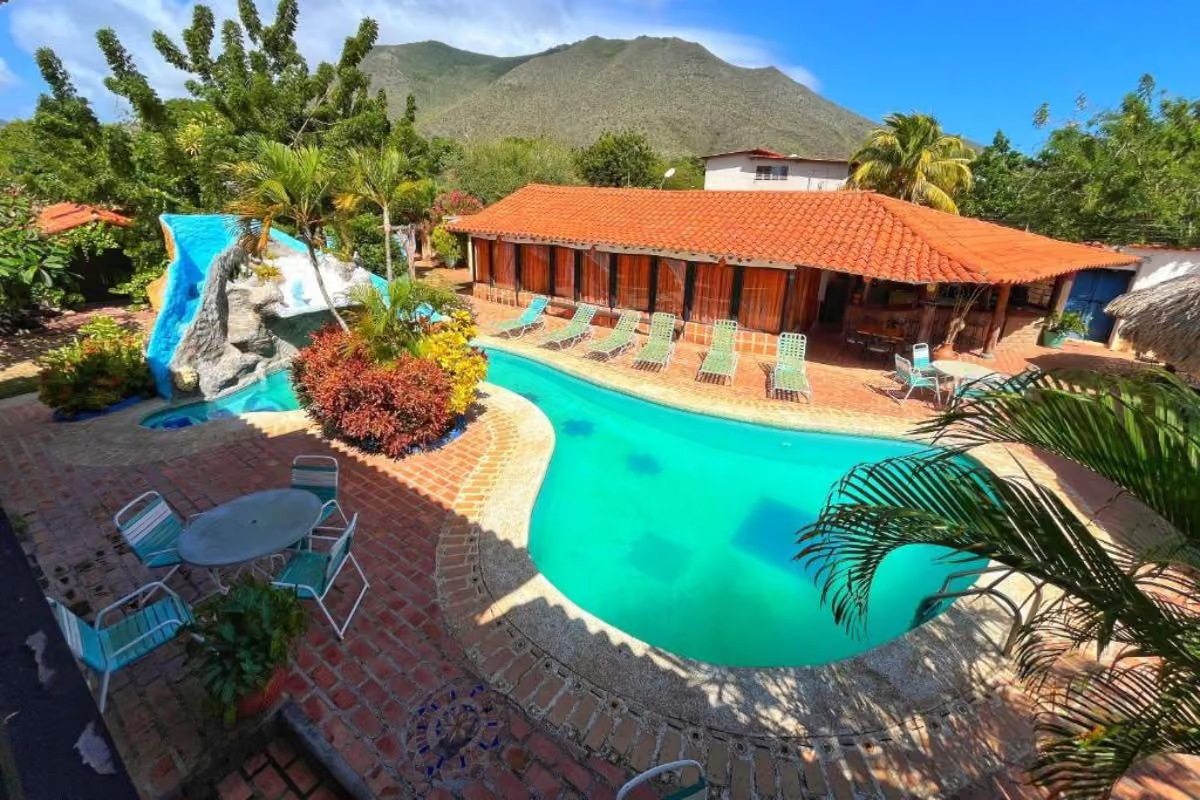
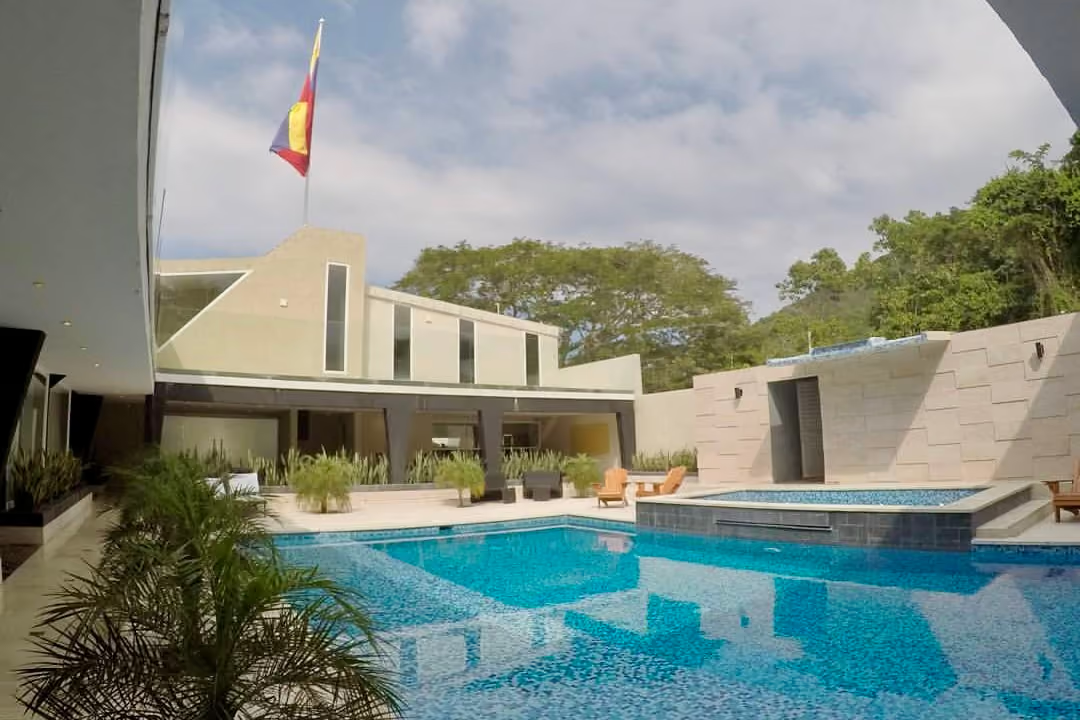
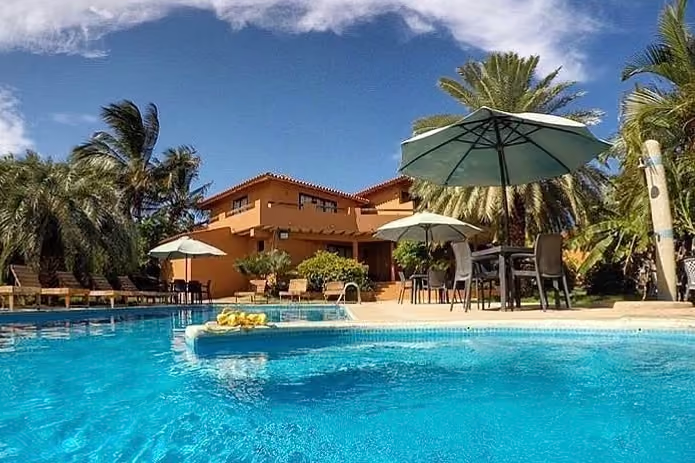
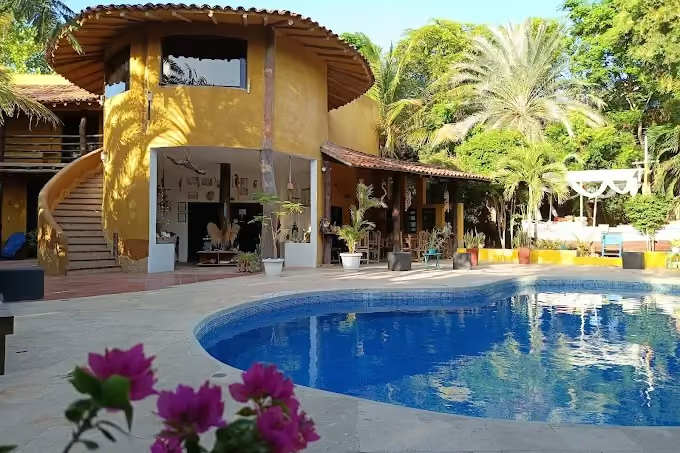
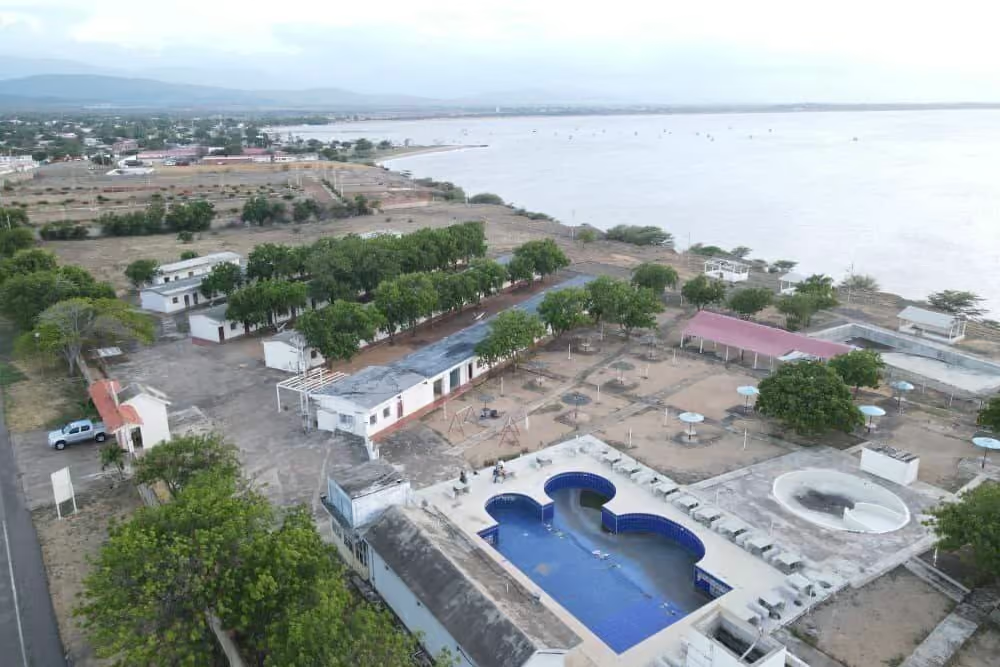
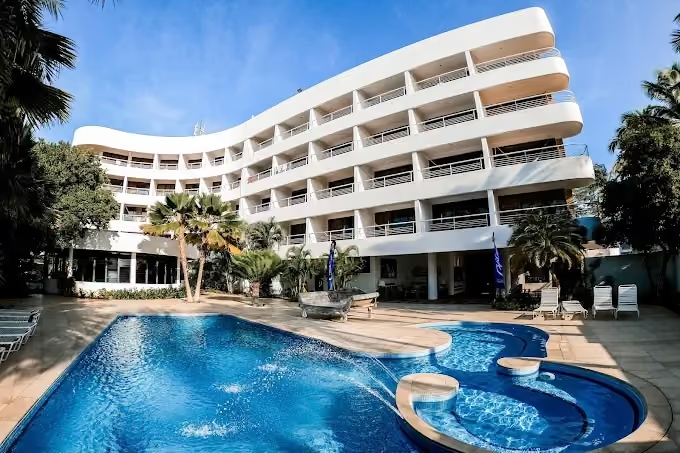
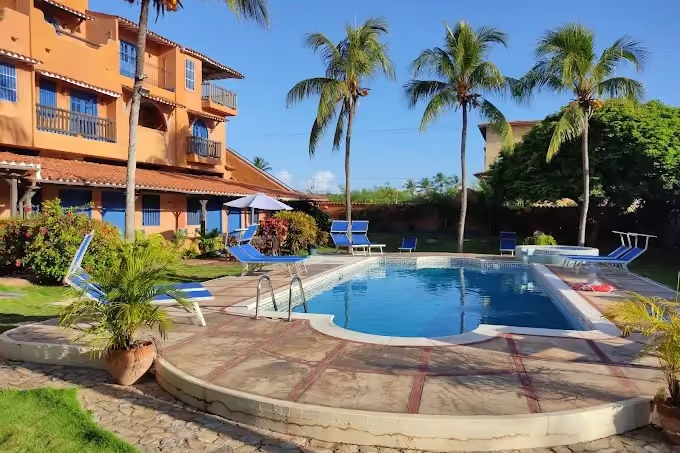
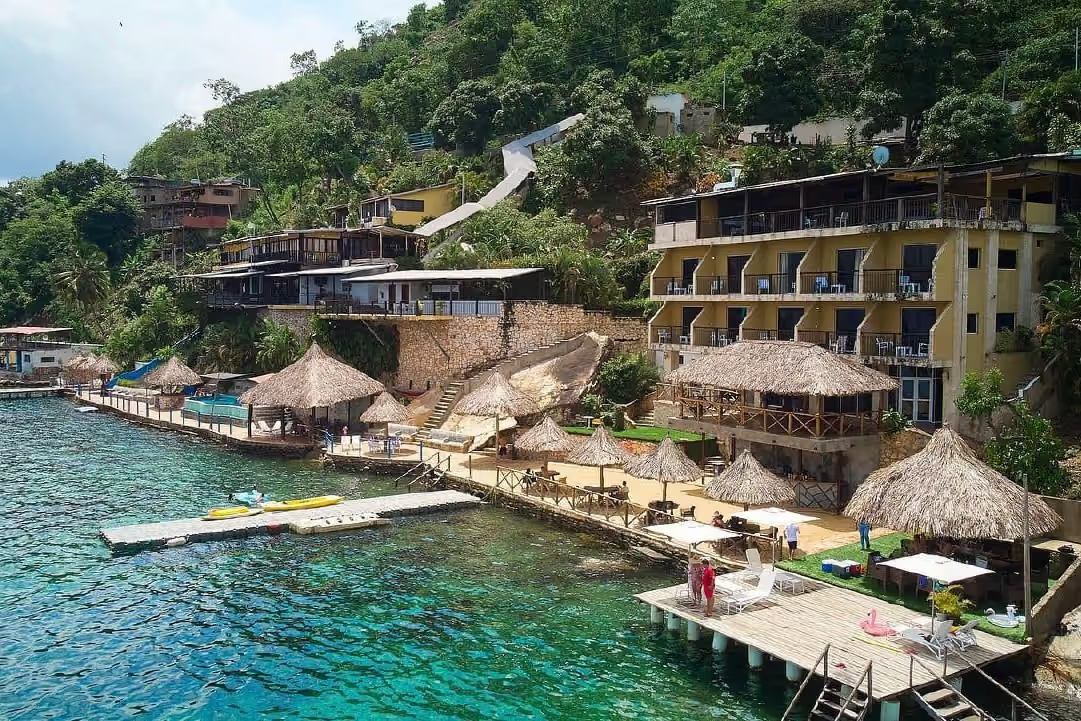
🕵️ We track public listings on 60 real estate websites, curate them, and do some detective work to determine their future potential.
Venezuela remains one of the most underdeveloped and least institutionalized hotel markets in the Caribbean and Latin America, following more than a decade of economic contraction, political volatility, and sharply reduced international travel. While the country no longer competes on volume with established Caribbean destinations, recent years have seen selective stabilization in parts of the economy and a gradual return of domestic, regional, and niche international travel, particularly to leisure-driven and nature-based destinations.
Tourism today represents a small but re-emerging segment of the Venezuelan economy, driven primarily by domestic demand, the Venezuelan diaspora, and targeted international visitors attracted by the country’s unique natural assets. For investors, Venezuela is best understood not as a mature tourism market, but as a frontier hospitality environment where entry pricing, asset scale, and long-term optionality define the opportunity.
Market Trends and Locations
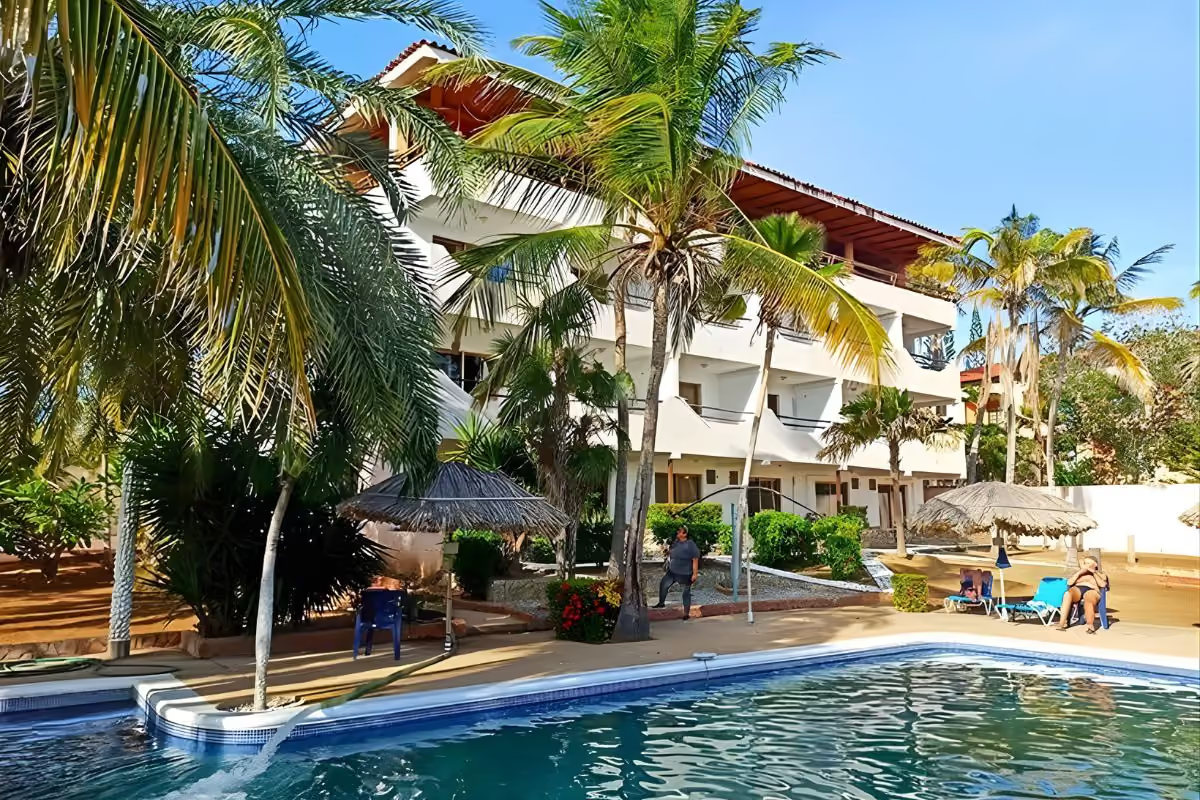
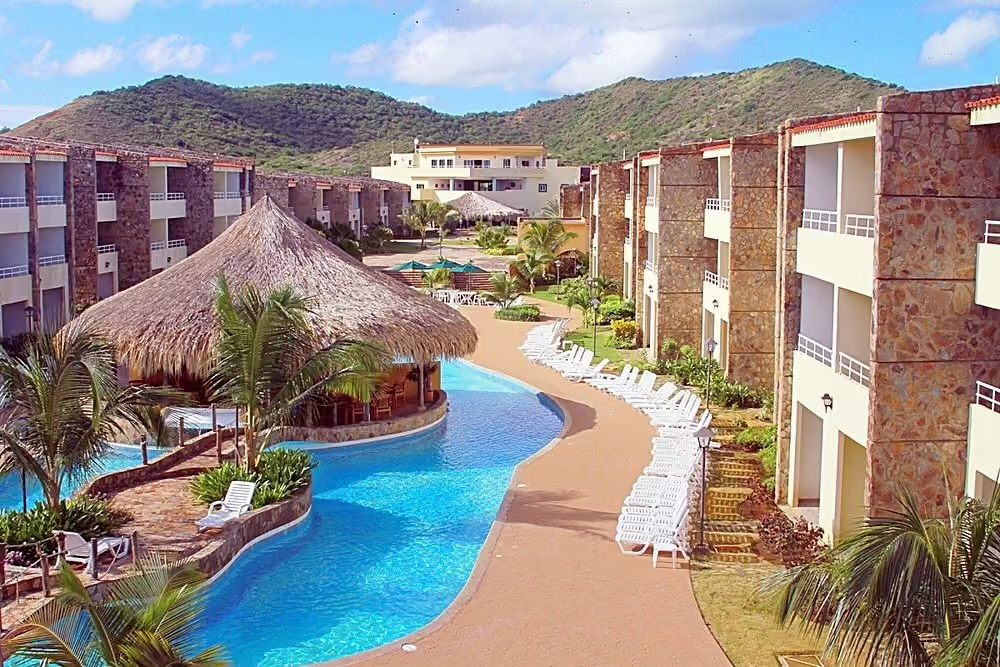
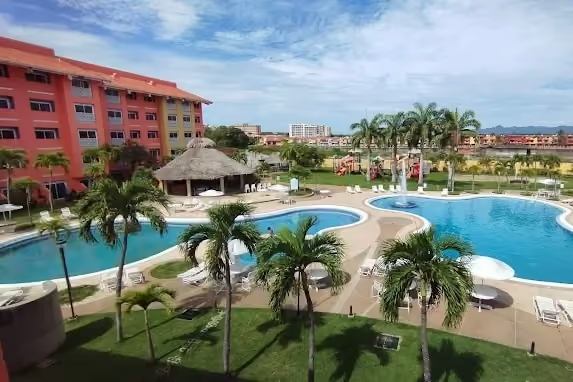
Venezuela’s hotel market is highly destination-specific rather than regionally uniform. The most established leisure destination remains Margarita Island, which historically functioned as the country’s flagship resort market and continues to host the largest concentration of hotels, resorts, and tourism infrastructure. Other coastal and island destinations — including Los Roques, Morrocoy, Choroní/Costa de Oro, and Mochima — support smaller-scale beachfront hotels, posadas, and eco-oriented properties.
Beyond the coast, the Andes region (Mérida and surrounding areas) has re-emerged as a domestic tourism hub for mountain, adventure, and boutique lodging, while Canaima and the Guayana region represent globally unique nature destinations with long-term eco-tourism potential. Caracas, while not a leisure destination, remains the country’s primary urban and business center, supporting demand for serviced apartments, small hotels, and mixed-use hospitality assets.
Occupancy and Hotel Supply
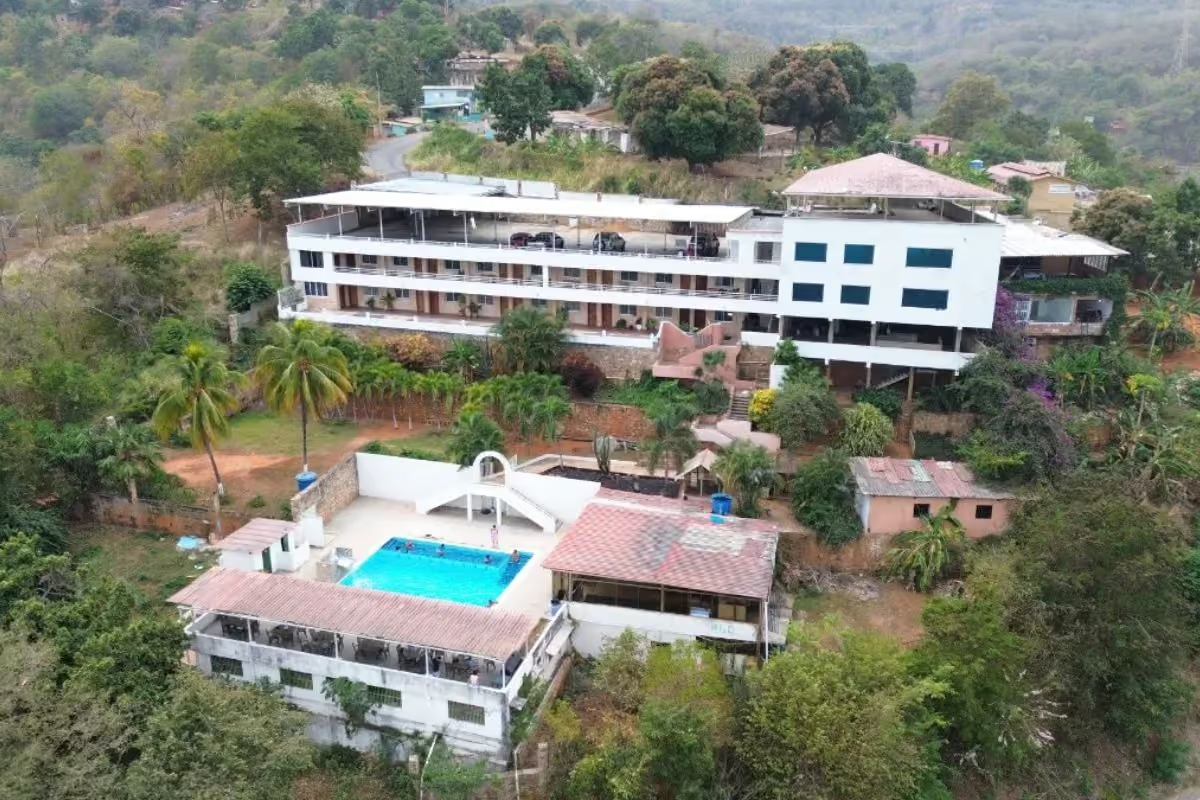
Venezuela’s formal hotel supply is aging, fragmented, and largely independent, with limited presence from international brands or institutional operators. Many assets were developed decades ago and today operate below historical capacity — or are no longer operational — creating a market where repositioning, redevelopment, or conversion is often central to the investment thesis.
Occupancy and performance vary widely by location and season, with stronger demand in island and coastal leisure markets and more volatile patterns in urban and secondary areas. Importantly, replacement cost far exceeds current asset pricing, meaning investors are often acquiring land, beachfront frontage, or built structures at a fraction of what comparable development would cost in other Caribbean markets.
Transactions and Investments
Hotel transactions in Venezuela are primarily private and opportunistic, involving local owners, regional investors, and international buyers with a long-term horizon. Deal sizes tend to be small to mid-scale, and many opportunities involve former hotels, posadas, or mixed-use sites that require capital, operational expertise, or a change of use.
Rather than yield-driven acquisitions, most buyers are pursuing strategic positioning: securing irreplaceable beachfront land, entering iconic destinations at low basis, or assembling assets ahead of a potential normalization of travel, airlift, and international engagement. As a result, Venezuela appeals most to investors comfortable with complex environments, flexible timelines, and hands-on asset management.
Tourism and Visitor Statistics
Inbound international tourism remains limited compared to regional peers, but pockets of demand are steadily rebuilding, supported by regional travel, charter flights, cruise calls to select ports, and high-end experiential tourism. Venezuela’s comparative advantage lies in its extraordinary natural diversity — Caribbean islands, untouched beaches, rainforests, waterfalls, and mountains — much of which remains underdeveloped from a hospitality standpoint.
As sustainability, eco-tourism, and experience-led travel gain importance globally, Venezuela’s least-developed destinations may represent its strongest long-term differentiator, provided infrastructure and access continue to improve gradually.
In Summary
Venezuela is not a conventional hotel investment market — but it is one of the last remaining Caribbean countries where large-scale natural assets, beachfront land, and hospitality properties can still be acquired at deeply discounted levels. The opportunity is asymmetric: high risk, limited liquidity, but meaningful optionality for investors who enter selectively, choose locations carefully, and align asset type with realistic demand.
Success in Venezuela depends less on short-term performance and more on patience, positioning, and conviction. While long-term outcomes will inevitably be influenced by broader economic and policy developments, the country’s underlying tourism assets — its geography, climate, and natural diversity — remain fixed. For investors willing to look beyond current headlines, Venezuela offers a rare combination of irreplaceable landscapes, low entry pricing, and long-term imagination.

Tell us about your investment strategy and we will help you to find the best opportunities.
(Are you a seller? click here)