Greece offers a unique combination of international demand, premium room rates, strong destination branding, and a large supply of independently owned hospitality businesses.
Greece has long been one of the world’s most desirable travel destinations.
From the iconic islands of the Aegean and Ionian Seas to historic cities, mountain villages, and coastal resorts, the country attracts millions of visitors every year and is one of Europe’s strongest tourism markets.
For hotel investors, Greece offers a unique combination of international demand, premium room rates, strong destination branding, and a large supply of independently owned hospitality businesses.
In 2024, Greece welcomed approximately 36 million international visitors and generated €22.6 billion in tourism receipts.
Tourism contributes around 7.1% of GDP and remains one of the country’s most important industries.
The country is home to approximately 10,200 hotels, including an estimated 5,100 small hotels with fewer than 25 rooms, making it one of Europe’s largest markets for independent hospitality businesses.
Few countries are as closely associated with tourism as Greece.
The country benefits from a globally recognized tourism brand built around islands, beaches, culture, gastronomy, sailing, and Mediterranean lifestyle. Unlike many European markets where tourism demand is concentrated in a handful of cities, visitors in Greece are spread across hundreds of destinations, creating opportunities in both established hotspots and emerging markets.
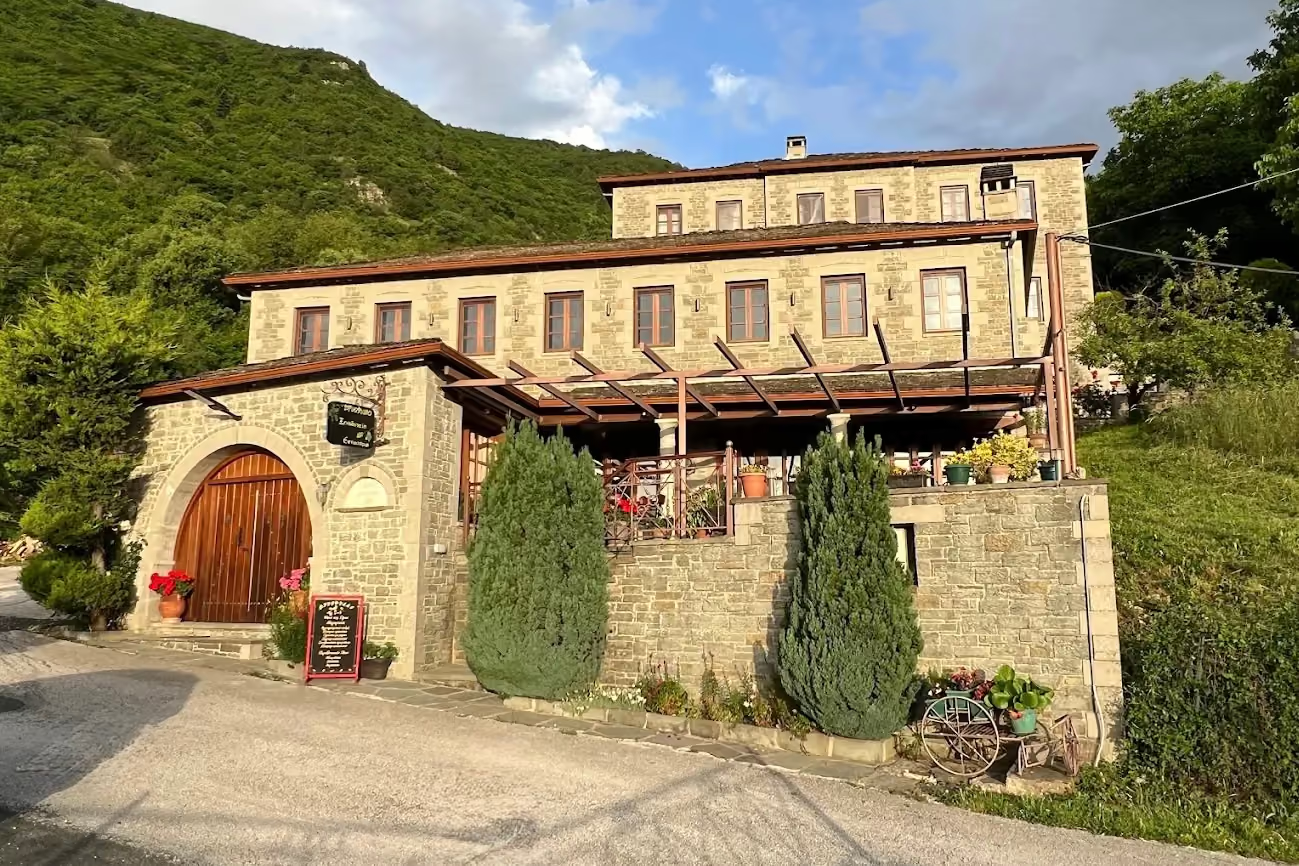
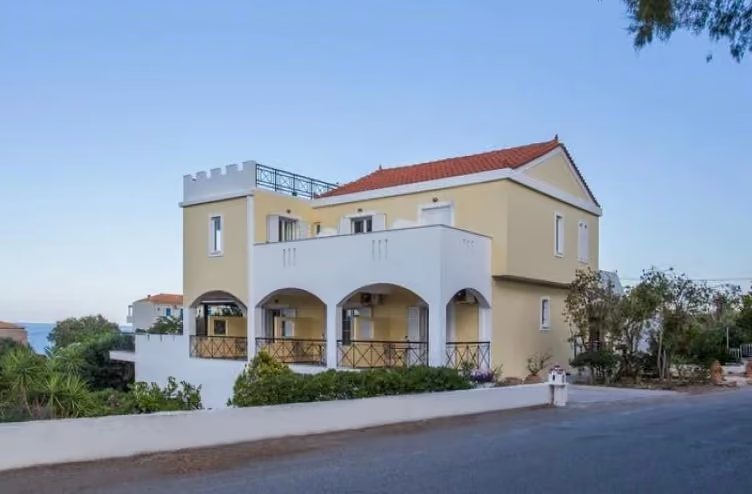
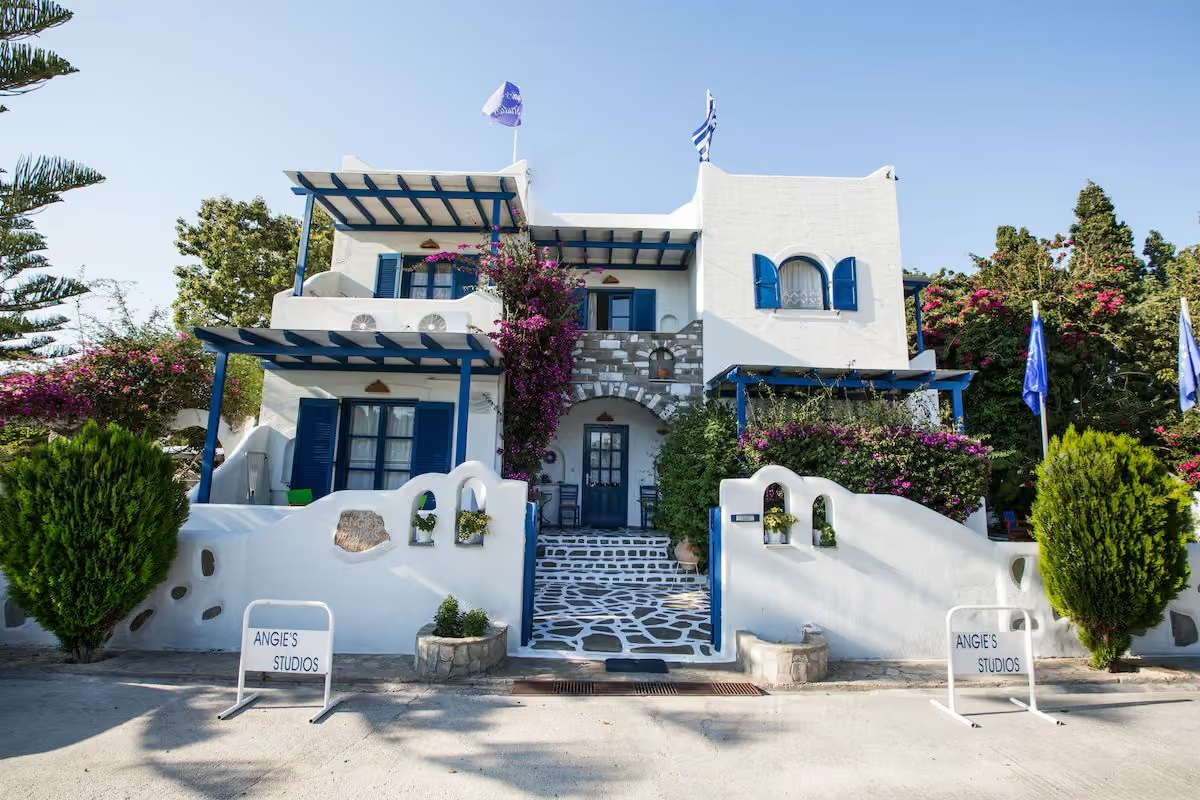
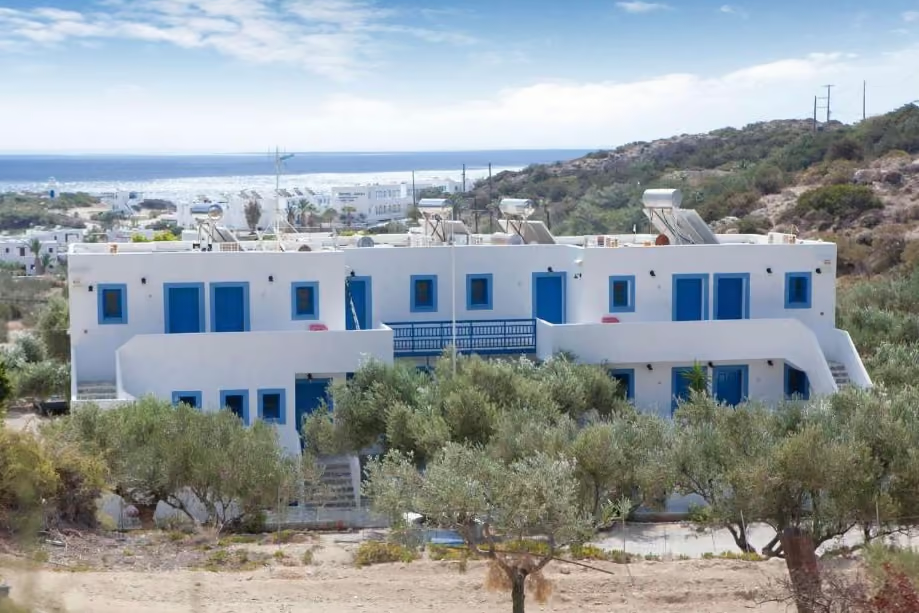
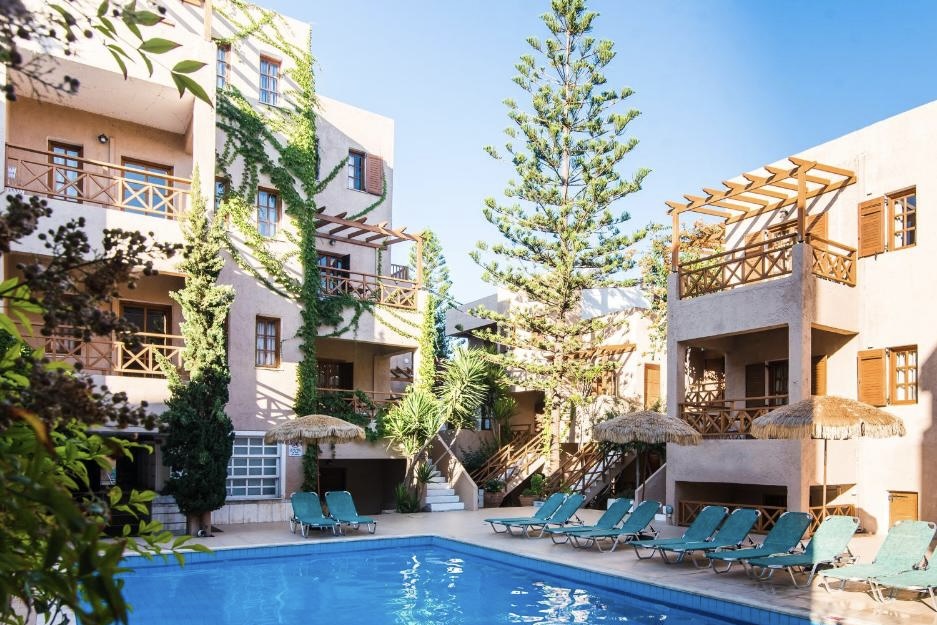
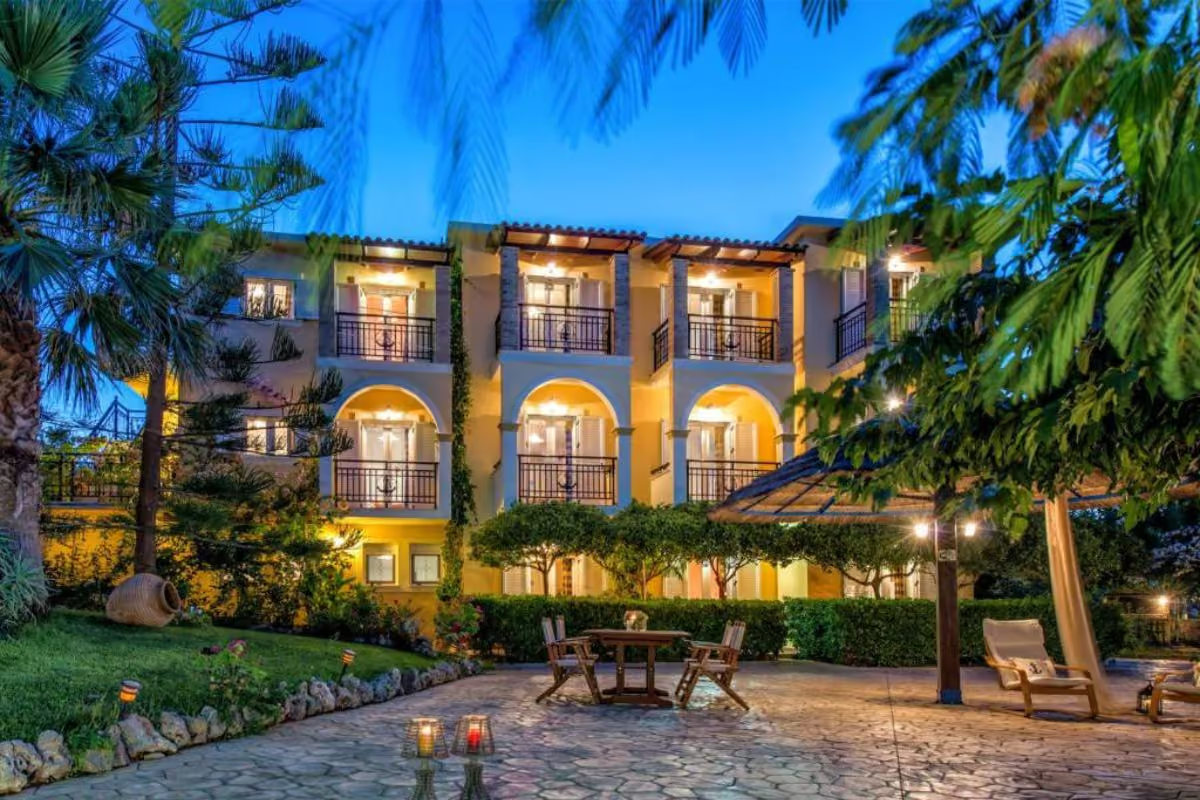
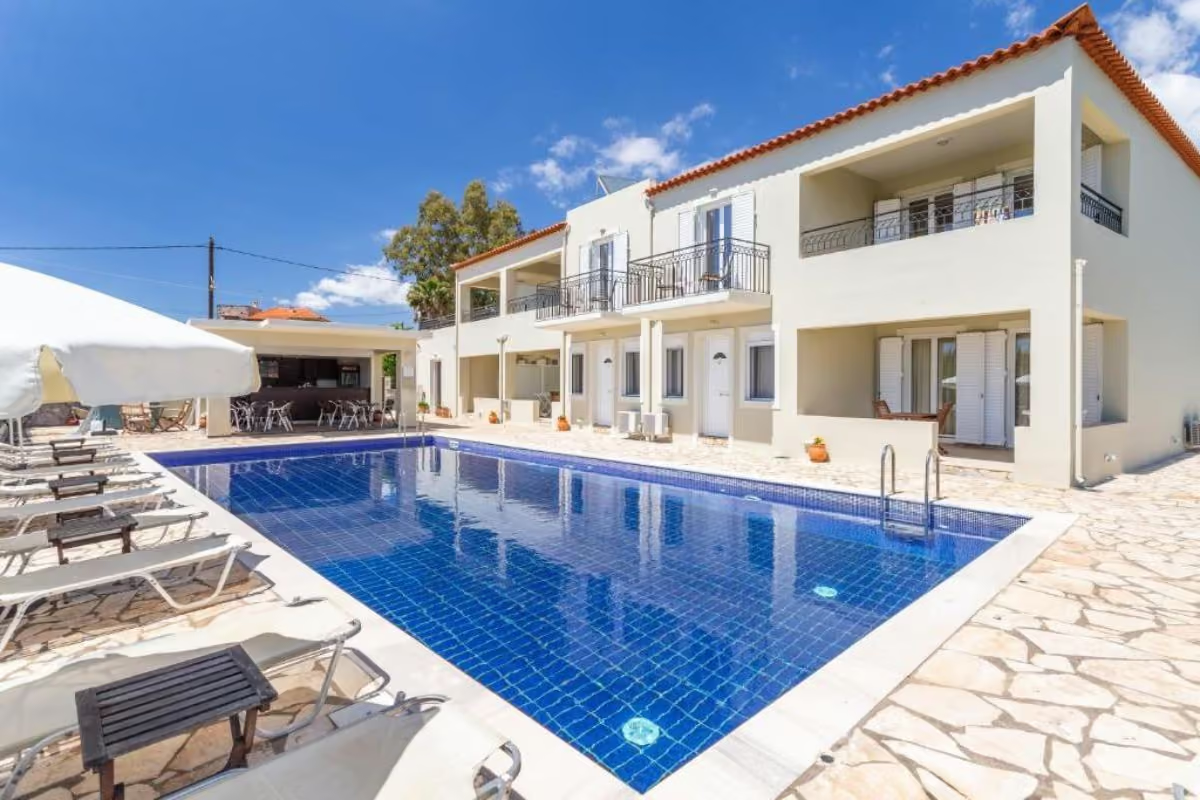
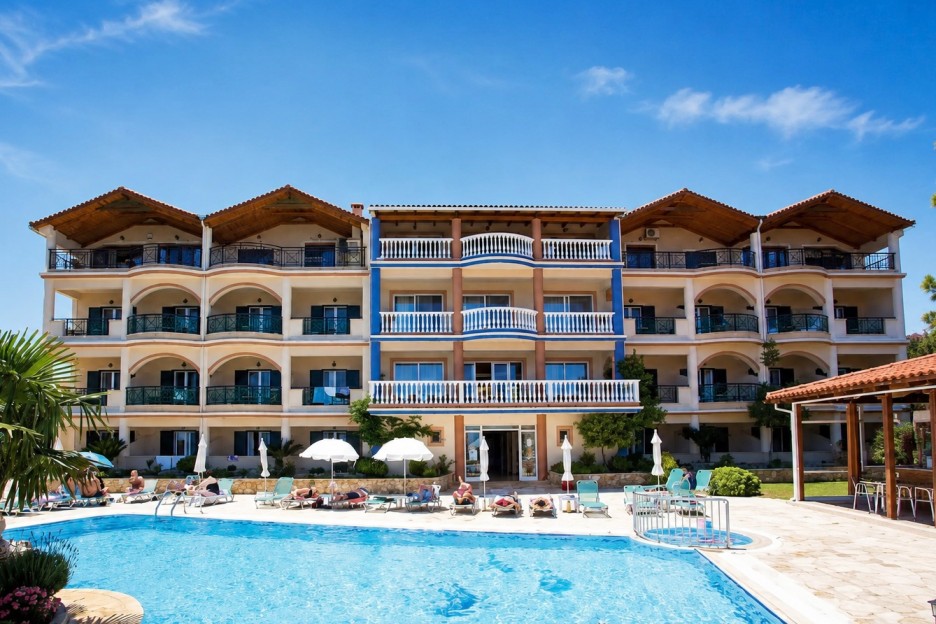
One of the biggest attractions for hotel investors is the diversity of opportunities available. Buyers can choose between luxury island hotels, boutique guesthouses, aparthotels, wellness retreats, family-run hospitality businesses, and value-add repositioning projects.
Greece also continues to demonstrate strong pricing power. The country’s average hotel ADR reached approximately €156 in 2024, among the highest levels in Southern Europe. Premium destinations such as Santorini, Mykonos, Paros, and Corfu regularly command significantly higher rates during the summer season.
Another attractive characteristic of the Greek market is its fragmented ownership structure. Unlike markets dominated by institutional owners and branded hotel chains, much of Greece’s hospitality sector remains independently owned. Many properties have been operated by the same families for decades, creating opportunities for investors who can improve revenue management, marketing, branding, or operational efficiency.
Of course, Greece is not without challenges. Seasonality remains one of the most important factors influencing hotel performance. Many island destinations generate the majority of their revenue between May and October, with July and August accounting for a substantial share of annual demand. Labor availability, infrastructure constraints, and licensing requirements can also vary significantly between destinations.
For buyers willing to understand these dynamics, Greece remains one of the most attractive hospitality investment markets in Europe.
Greece offers opportunities across a wide range of destinations, from internationally recognized island markets to year-round urban centers and emerging mainland regions. The right location depends on your investment goals, budget, and preferred operating model.
| Region | Best For | Typical Hotel Types | Advantages | Considerations |
|---|---|---|---|---|
| Crete | First-time hotel buyers, owner-operators | Boutique hotels, aparthotels, guesthouses | Long season, strong infrastructure, multiple airports | Competition in established destinations |
| South Aegean Islands | Premium hospitality investors | Boutique hotels, luxury hotels, villas | Strong ADR, international demand, global recognition | Higher acquisition costs and seasonality |
| Ionian Islands | Lifestyle buyers | Beach hotels, family hotels, guesthouses | Strong UK and Northern European demand | Seasonal demand patterns |
| Athens & Attica | Investors seeking year-round operations | City hotels, aparthotels | Business travel, conferences, cruise tourism | Competitive urban market |
| Peloponnese | Value-add investors | Boutique hotels, retreats, guesthouses | Lower entry prices, growing tourism demand | Less international visibility |
| Northern Greece & Thessaloniki | Buyers seeking lower entry prices | City hotels, guesthouses | Domestic tourism, growing infrastructure | Lower ADR than premium island destinations |
Crete is often considered the most balanced hospitality market in Greece. The island combines strong tourism demand, international airport access, diversified visitor markets, and one of the longest operating seasons in the country. Buyers can find everything from beachfront hotels and aparthotels to rural guesthouses and wellness retreats.
The South Aegean includes destinations such as Santorini, Rhodes, Kos, Paros, and Naxos. These islands benefit from strong international demand and some of the highest room rates in Greece. They are often the preferred choice for buyers targeting luxury and boutique hospitality concepts.
Corfu, Kefalonia, Zakynthos, and Lefkada continue to attract strong demand from Northern European travelers. The region offers a mix of beach hotels, guesthouses, and family-run hospitality businesses with established tourism infrastructure.
Athens offers one of the least seasonal hotel markets in Greece. Demand comes from a combination of international tourism, cruise passengers, conferences, business travel, and short city breaks. Investors seeking year-round operations often prioritize Athens over island destinations.
The Peloponnese has become increasingly attractive to buyers seeking value opportunities. The region offers lower acquisition costs than many islands while benefiting from growing demand for wellness tourism, retreats, cultural travel, and outdoor experiences.
Northern Greece & Thessaloniki
Northern Greece offers lower acquisition costs than many of the country’s major tourism destinations. Thessaloniki supports year-round demand through business travel, conferences, education, and cultural tourism, making the region an attractive option for buyers seeking city hotels, guesthouses, and hospitality businesses with lower entry prices.
The cost of buying a small hotel in Greece varies significantly depending on location, room count, condition, seasonality, and proximity to the coast.
While every property is different, the following ranges provide a useful benchmark for buyers evaluating hotels for sale in Greece:
| Budget Range | Typical Opportunities | Example Opportunity |
|---|---|---|
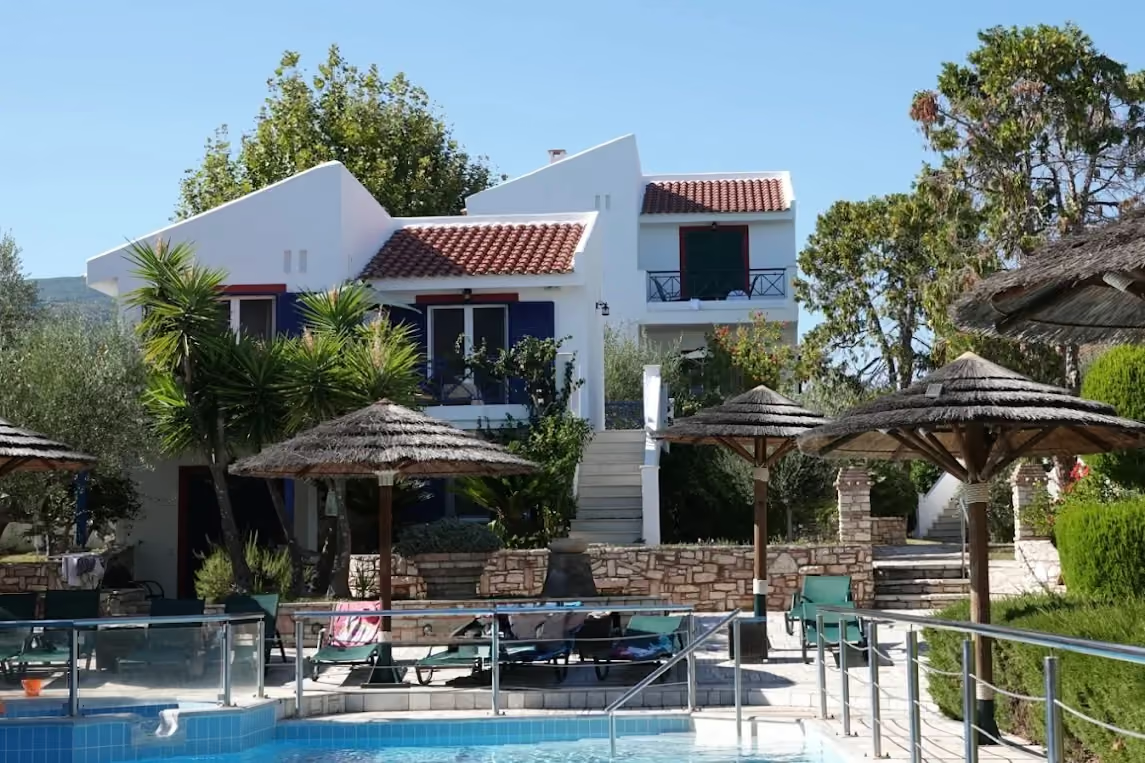
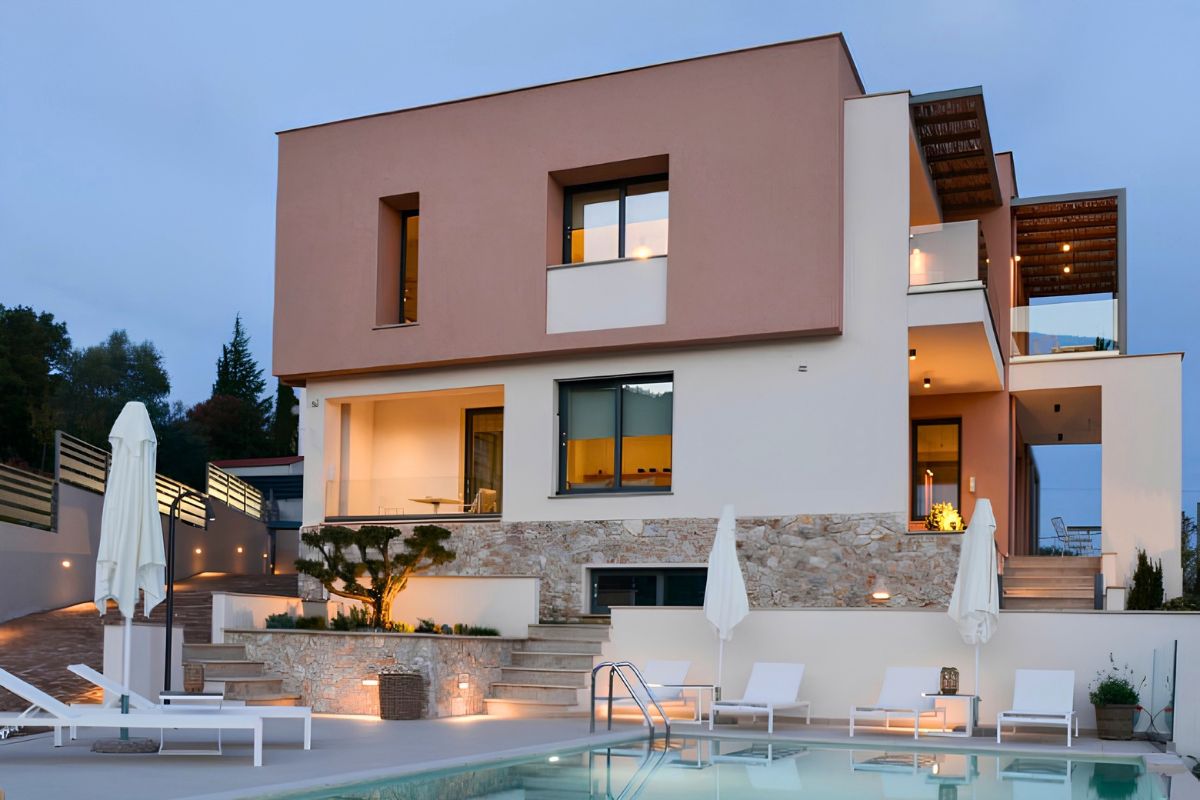
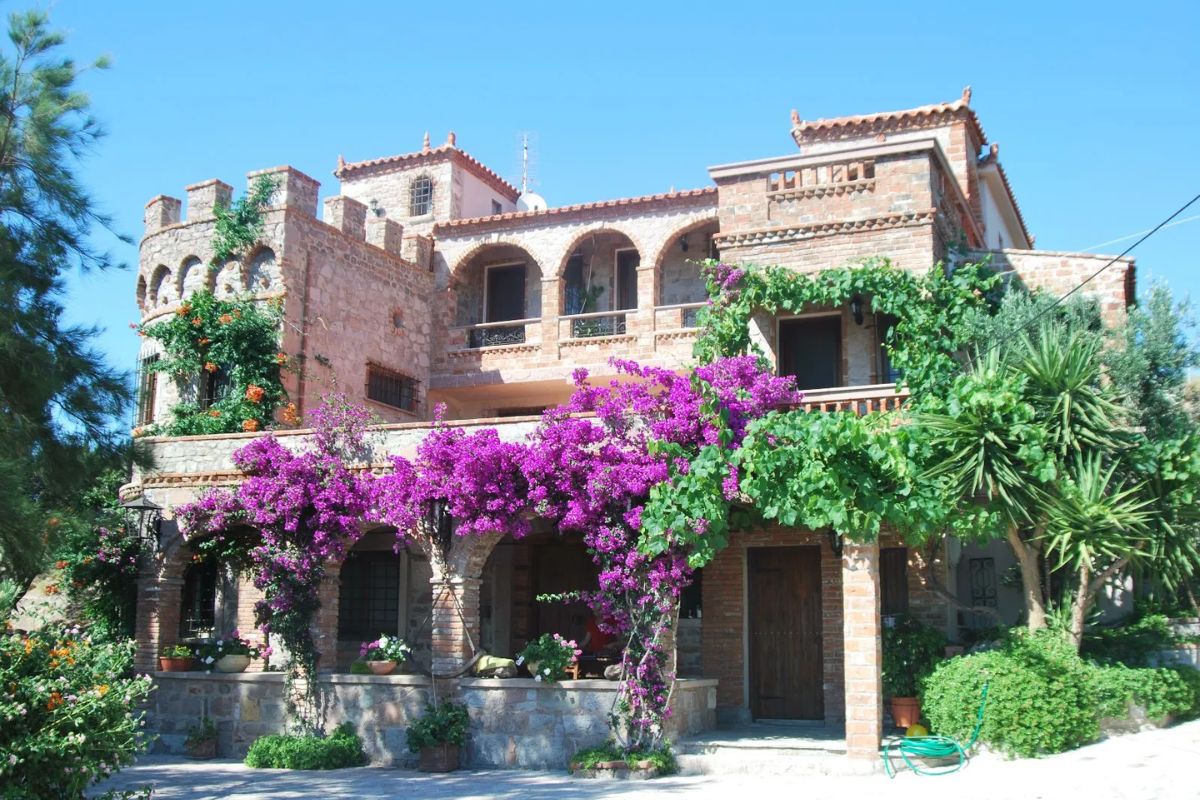
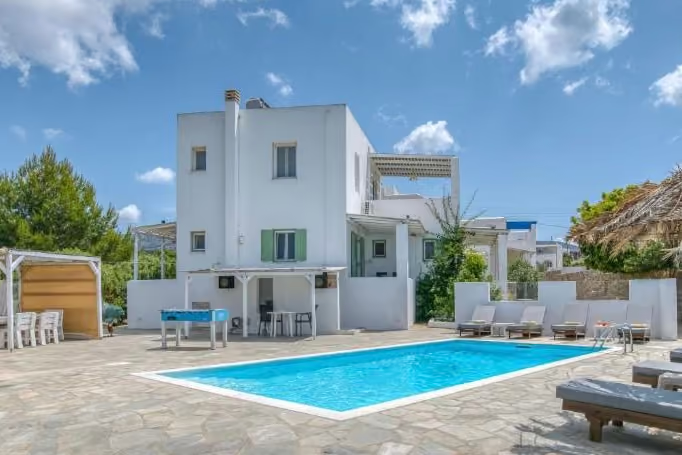
| Under €1M | Guesthouses, small hotels, renovation projects | Mediterranean Villa Hotel Near Agia Pelagia (€880k) |
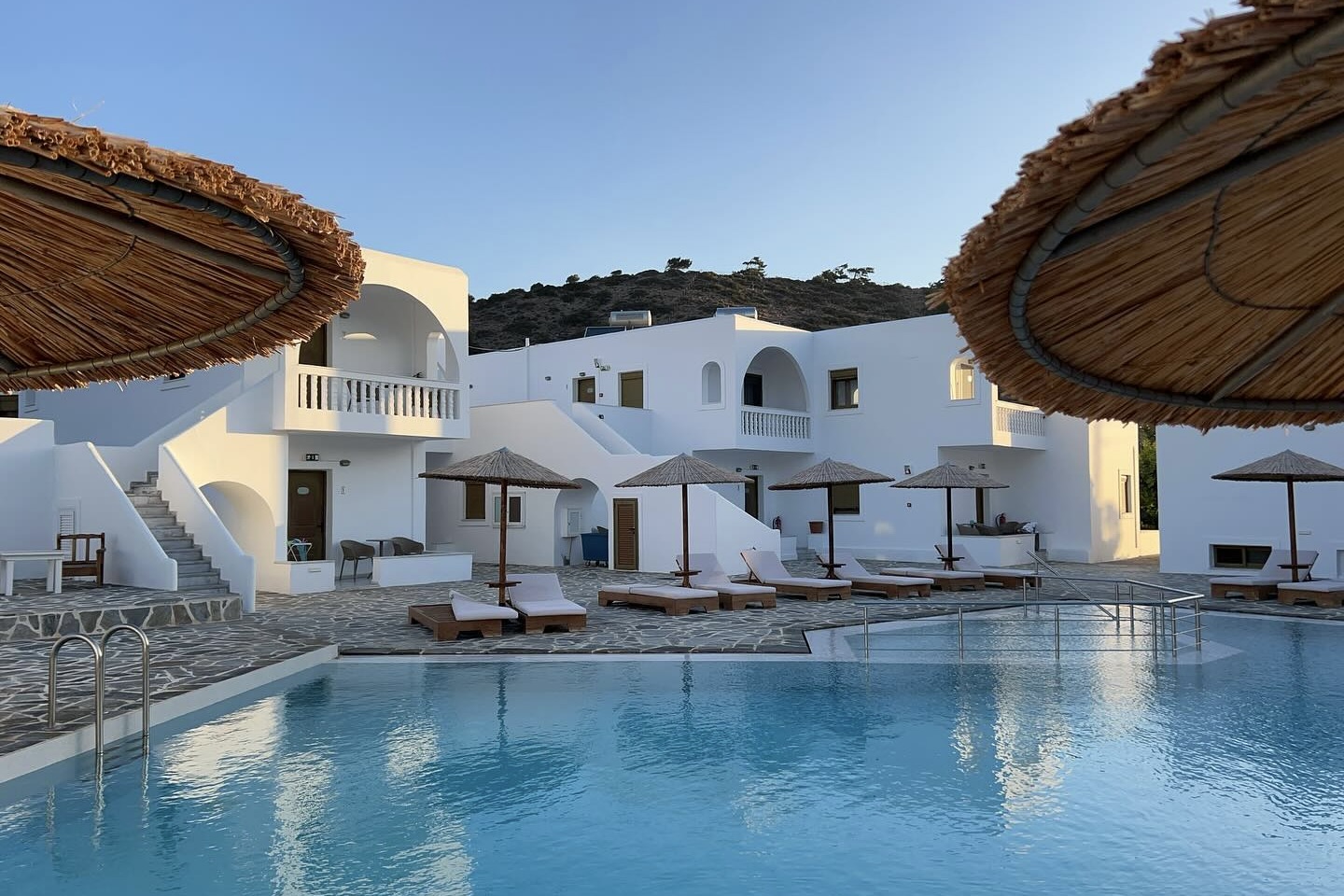
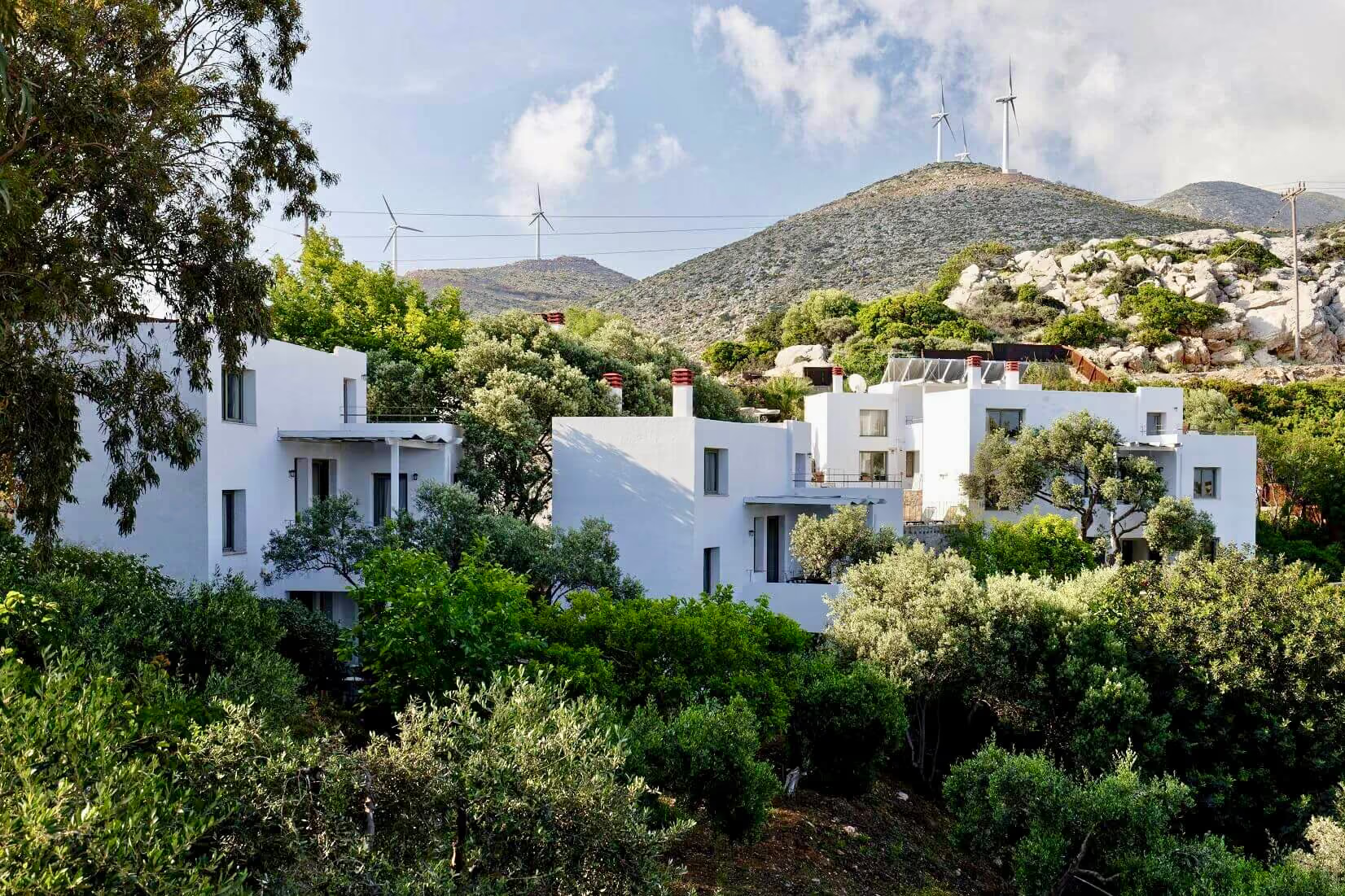
| €1M – €2M | Boutique hotels, guesthouses, smaller beach hotels | Beachside Apartment Hotel Near Kalamata (€1.2M) |
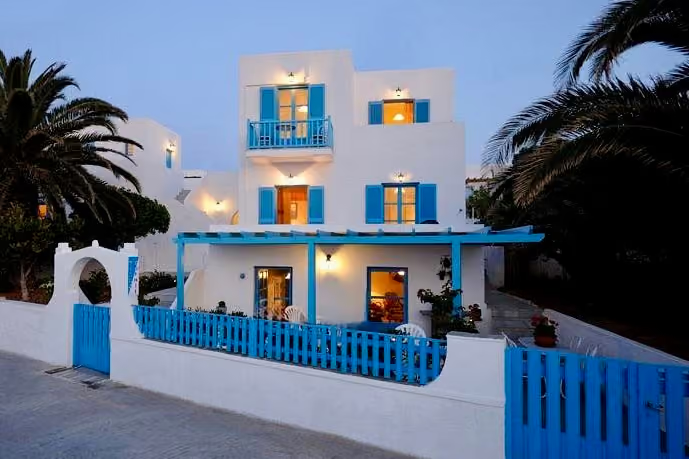
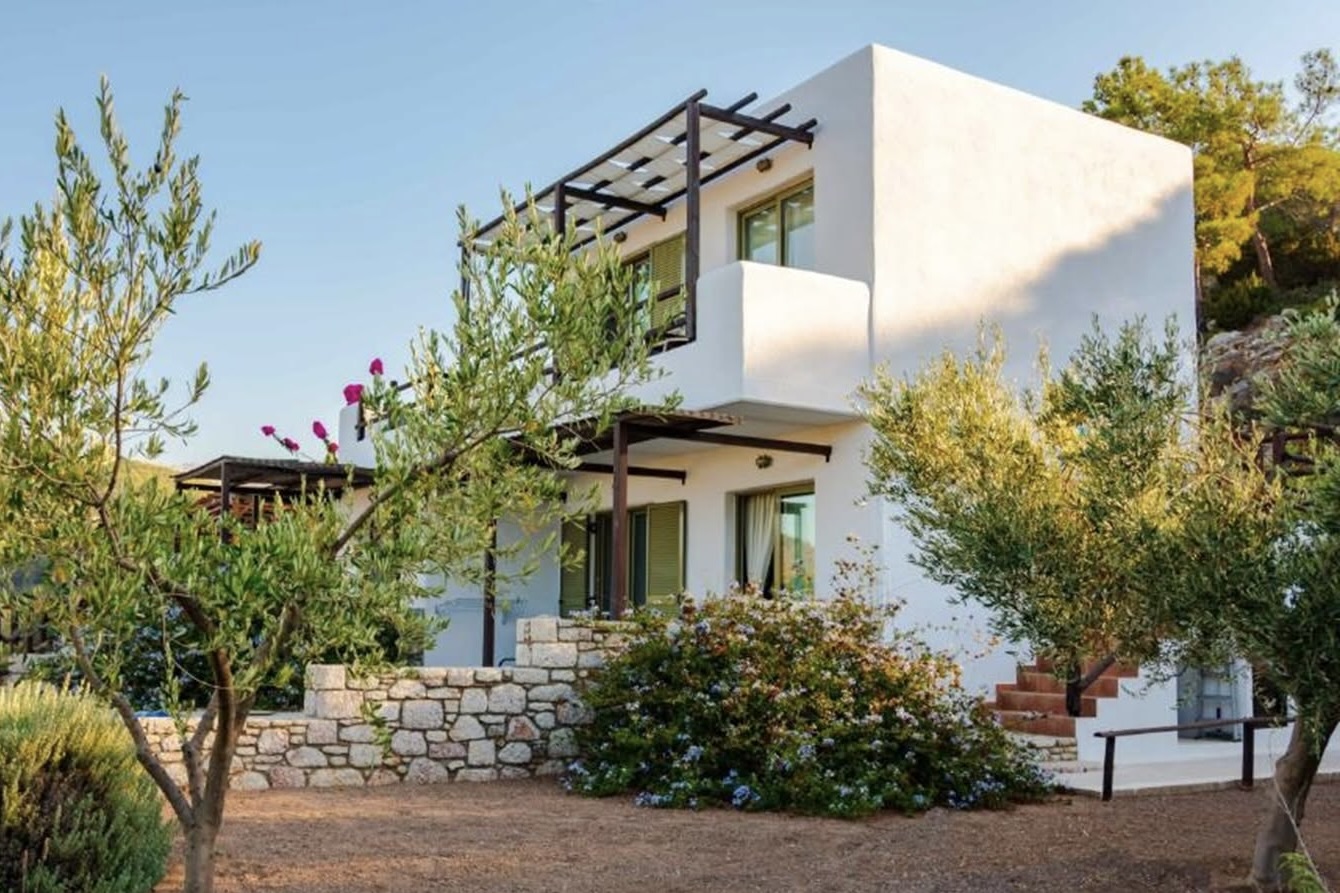
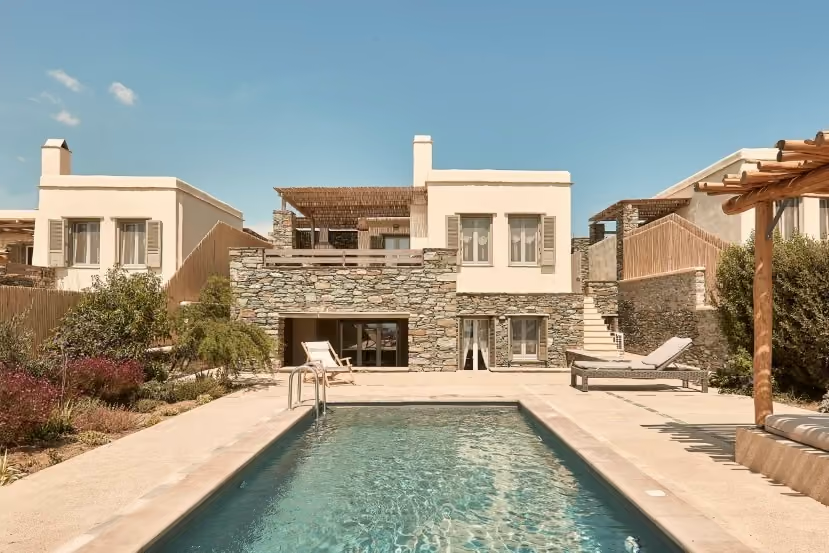
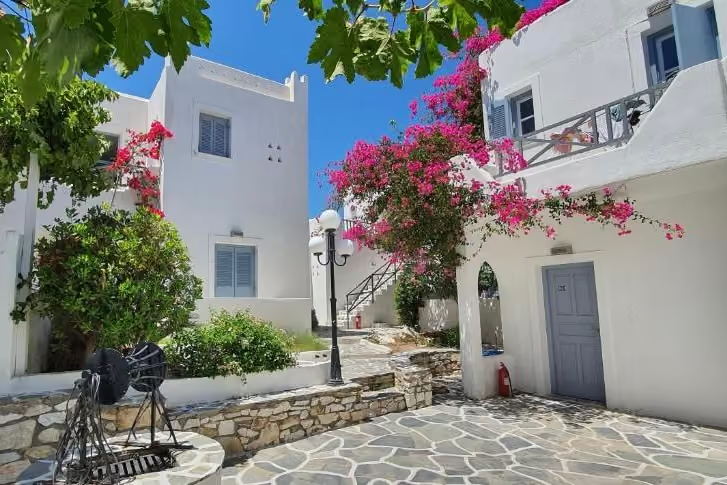
| €2M – €5M | Established hotels in strong tourism destinations | Scenic Cycladic Hotel in Naousa, Paros (€2.5M) |
| €5M+ | Premium island hotels, luxury hospitality assets | Seafront Hotel in Halkidiki (€5M) |
In Greece, location and season length are usually the biggest drivers of value. Hotels in Santorini, Mykonos, and other premium island destinations command the highest prices, while regions such as Crete, Corfu, and the Peloponnese often offer better value. Buyers should also pay close attention to licensing, unpermitted extensions, and staff accommodation, particularly on the islands.
Based on hospitality businesses currently listed on Buy That Hotel in Greece, the typical opportunity is a small to mid-sized hotel with approximately 21 rooms.
Current listings have an average asking price of approximately €2.4 million, with a median asking price of €2.1 million. Many properties appear to be independently operated businesses rather than large branded hotel assets.
Looking beyond headline asking prices, the average listing is marketed at approximately €140,000 per room, with a median of around €124,000 per room.
Property sizes vary considerably, but the average listing offers approximately 920 m² of built space. Across current listings, the average asking price is around €3,200 per m², with a median of approximately €2,700 per m².
As with any hospitality investment, location, operating season, beach access, property condition, and revenue potential can have a significant impact on value. As a result, two hotels with similar room counts may represent very different investment opportunities.
Buying a hotel in Greece is generally straightforward, but investors should pay close attention to legal, licensing, and operational considerations during the acquisition process. In many cases, the biggest risks are linked to property compliance rather than hotel operations.
One of the first steps is confirming that all buildings and structures have been properly permitted and registered. Many hotels have expanded over time by adding rooms, pools, terraces, restaurants, or staff accommodation.
Buyers should verify that the property’s Oikodomiki Adeia (building permit) corresponds to the existing structures and review whether any additions or modifications have been properly legalized. It is also advisable to review records in the Greek Cadastre (KTIMATOLOGIO) and identify any issues relating to ownership records, boundaries, coastal regulations, or protected areas where relevant.
Unpermitted construction can create complications during financing, renovation, resale, or licensing.
Hotels in Greece should hold the appropriate tourism registrations and operating permits. Buyers should confirm that these remain valid and are consistent with the property’s current configuration.
Particular attention should be paid to hotel classification, fire safety certification, swimming pool permits, and food and beverage operations, especially when acquiring older properties.
Annual revenue figures rarely tell the full story in Greece. Many hotels generate a large proportion of their income during a relatively short summer season, particularly in island destinations.
Review monthly occupancy, ADR, and revenue data for at least the previous three years to understand revenue concentration, shoulder-season demand, and dependence on OTAs or tour operators. In many cases, a hotel with a longer operating season can outperform a more famous destination that relies heavily on July and August.
Staffing has become a growing challenge across many Greek tourism destinations, particularly on islands where employee accommodation is limited. Buyers should understand recruitment requirements, housing arrangements, retention rates, and seasonal staffing costs before completing an acquisition.
Accessibility is equally important. Airport connectivity, ferry schedules, road infrastructure, and planned transport investments can all influence occupancy levels, season length, and long-term growth potential.
Most hotel transactions in Greece involve a lawyer, engineer, accountant, and symvolaiografos (notary). Before completing an acquisition, buyers should obtain legal, technical, and tax advice from professionals familiar with Greek hospitality assets, particularly when purchasing older hotels, coastal properties, or assets that have undergone multiple expansions over time.
Can foreigners buy hotels in Greece?
Yes. Foreign investors can purchase hotels and hospitality properties in Greece, subject to standard legal and regulatory procedures.
Is Greece a good country for hotel investment?
Greece benefits from strong tourism demand, premium ADR levels, global destination recognition, and a large supply of independent hospitality businesses, making it one of Europe’s most attractive hotel investment markets.
What is the best place to buy a hotel in Greece?
Crete is often considered the most balanced option. The South Aegean offers premium pricing potential, while Athens provides stronger year-round demand.
How much money do I need to buy a hotel in Greece?
Opportunities can be found below €1 million, although pricing varies significantly depending on location, size, and condition.
Can buying a hotel in Greece qualify me for the Golden Visa?
Potentially, yes. Greece offers a Golden Visa program for qualifying non-EU investors. Depending on the property, location, and current regulations, a hotel or hospitality investment may qualify if it meets the applicable investment requirements. Because the rules and thresholds can change, buyers should always seek current legal advice before making an investment decision.
Can I live in the hotel I buy in Greece?
Yes. Many small hotels, guesthouses, and boutique hospitality businesses include owner accommodation or can be operated as lifestyle businesses. This makes Greece particularly attractive to owner-operators and buyers looking to combine a business with a Mediterranean lifestyle. Non-EU buyers should note that owning a hotel does not automatically grant residency rights, although some investments may qualify for Greece’s Golden Visa program, subject to the applicable rules and requirements at the time of purchase.
Is Greece a seasonal hotel market?
Yes. Most island destinations experience strong seasonality, with peak demand occurring between May and October.
What should I check before buying a hotel?
Pay particular attention to building permits, tourism licenses, ownership structure, historical revenue, seasonality, staffing requirements, and any unpermitted extensions or renovations. For island properties, it is also worth reviewing accessibility, water supply, and staff accommodation options.
How long does it take to buy a hotel in Greece?
Most hotel transactions take several months, depending on due diligence requirements, ownership structure, financing, and legal complexity.

Tell us about your investment strategy and we will help you to find the best opportunities.
(Are you a seller? click here)
.avif)