
In our first post of this series, we discussed different aspects of hotel due diligence, including the physical condition of the property, the importance of reviewing paperwork and documentation, and the need to assess the surrounding area.
In this post, we’ll dive deeper into the technical aspects of a physical inspection—crucial for identifying hidden issues that might not be immediately visible. Whether you’re handling the inspection yourself or bringing in a professional, understanding the tools and methods used can make a significant difference in the outcome.
When buying a hotel, it’s easy to get caught up in the business aspects—pricing, occupancy rates, etc. However, the condition of the property is just as important. Issues like moisture damage, structural weaknesses, or electrical faults may not be immediately visible but can turn into significant and costly problems down the line.
This is why technical inspections are crucial. They go beyond a basic walkthrough, using advanced tools and techniques to uncover problems that could impact the safety, functionality, and longevity of the building. Identifying these risks early can save you significant time and money in repairs.
It’s especially important when buying a hotel, as issues like dampness in a bathroom, which may seem insignificant in a private residence, can lead to negative reviews in a hotel setting. These small problems can quickly escalate, impacting guest satisfaction and potentially harming your hotel’s reputation and bottom line.
To thoroughly assess a hotel’s infrastructure, professionals use a range of technologies. Here are the most important ones:
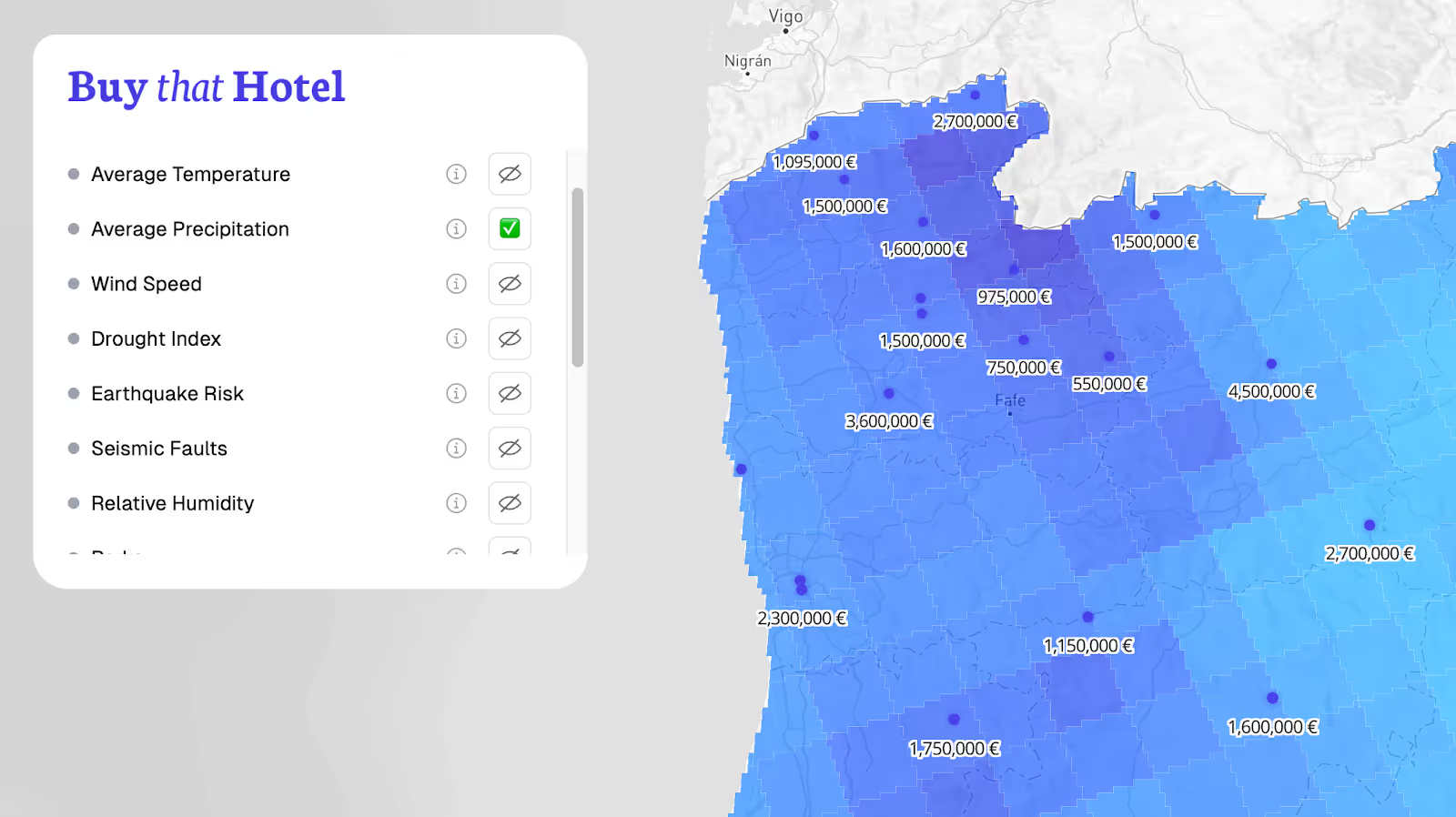
Buythathotel.com allows you to conduct initial due diligence and pinpoint potential issues to address during the physical inspection. For instance, in regions with heavy rainfall, like northern Portugal, buildings may be more prone to water infiltration. Identifying moisture early is key, as hidden water in walls, ceilings, or floors can cause significant damage and expensive repairs.
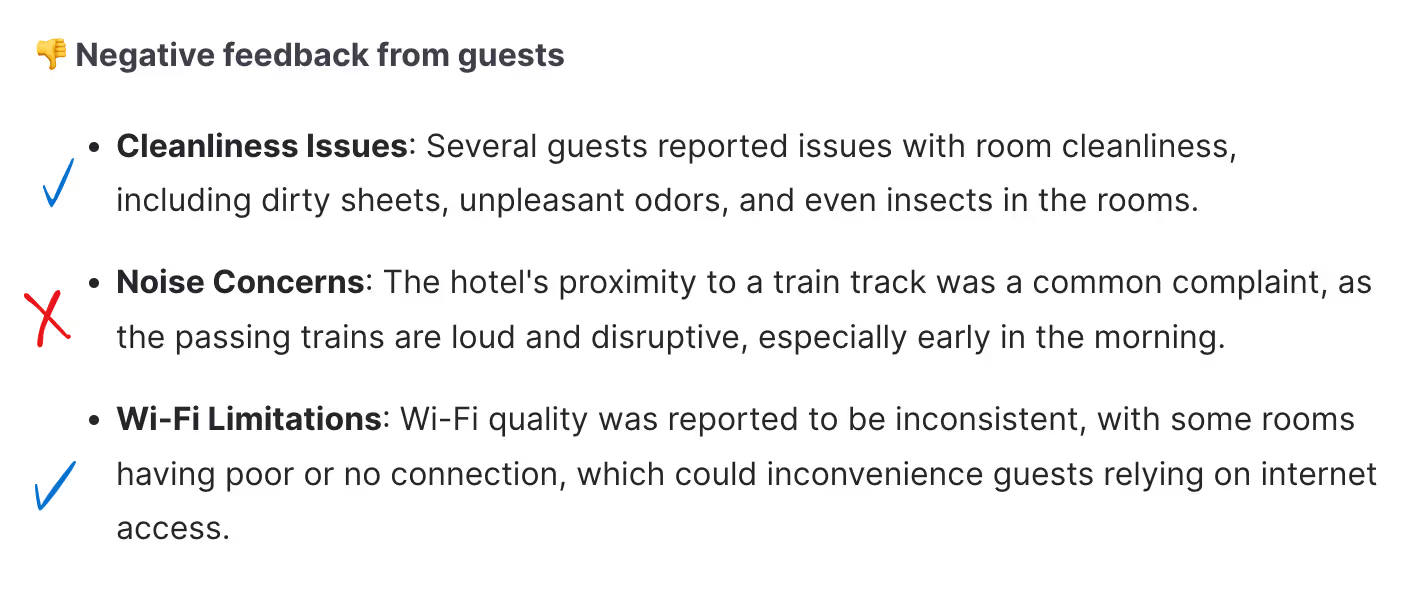
At Buythathotel.com, we use AI to analyze public reviews of the hotel across platforms like Booking, Airbnb, and Google Maps. This allows you to identify common guest complaints, from minor issues like poor Wi-Fi (easy to fix) to more serious concerns like noise concerns (which could be costly for the new owner). These insights can highlight potential challenges to address during the due diligence process.
When you request a technical inspection, ensure that the proposal includes the following:
Tools like thermal imaging, moisture detection, and crack measurement are essential for uncovering potential problems in a hotel before they turn into expensive complications. By investing in a thorough inspection, you’ll be better equipped to make informed decisions and avoid costly surprises after purchase. Moreover, issues like mold can harm your hotel’s reputation—something that could quickly affect your ratings and bookings if not addressed properly.
With Buythathotel.com, you can easily compare properties from a curated selection of small hotel listings across multiple real estate platforms. Our interactive map (currently available in Portugal) enables you to perform initial due diligence by evaluating over 20 data layers, including environmental risks, points of interest, competitive landscape, and more—all within minutes.
Peter Fabor is a hospitality entrepreneur with 15+ years of experience building niche businesses across hotels, coliving, coworking, retreats, and hospitality tech. He is the founder of Surf Office, Buy That Hotel, Hotel Nuggets, and Pingotel. His work focuses on identifying underserved hospitality markets and building businesses around them.