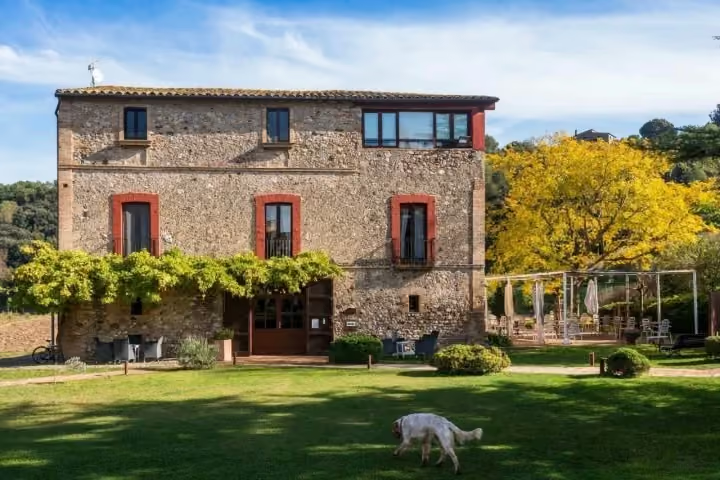
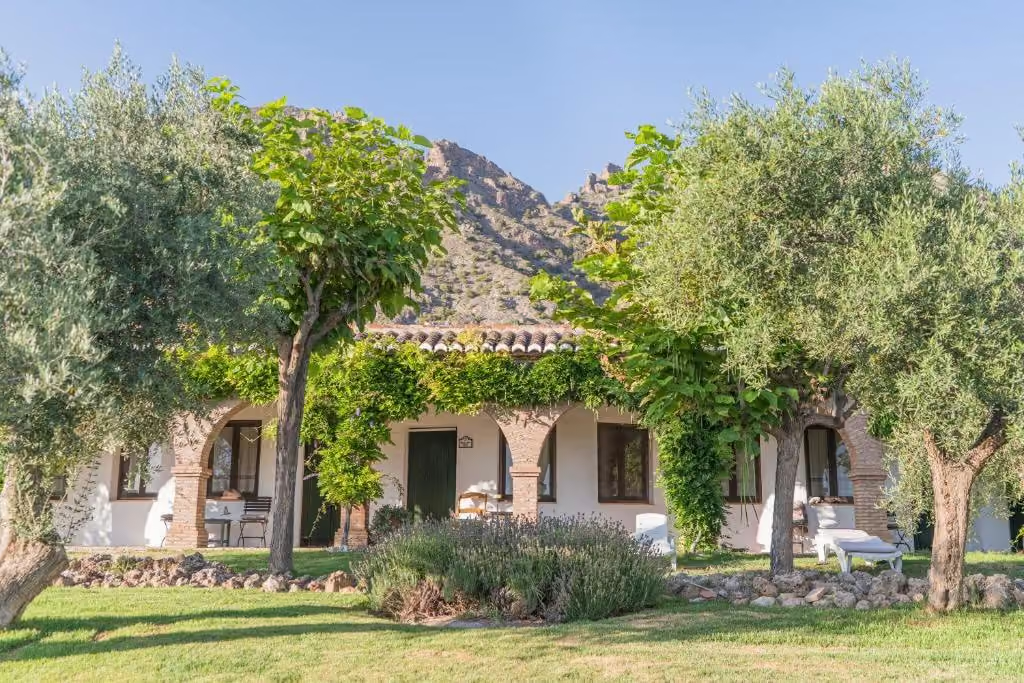
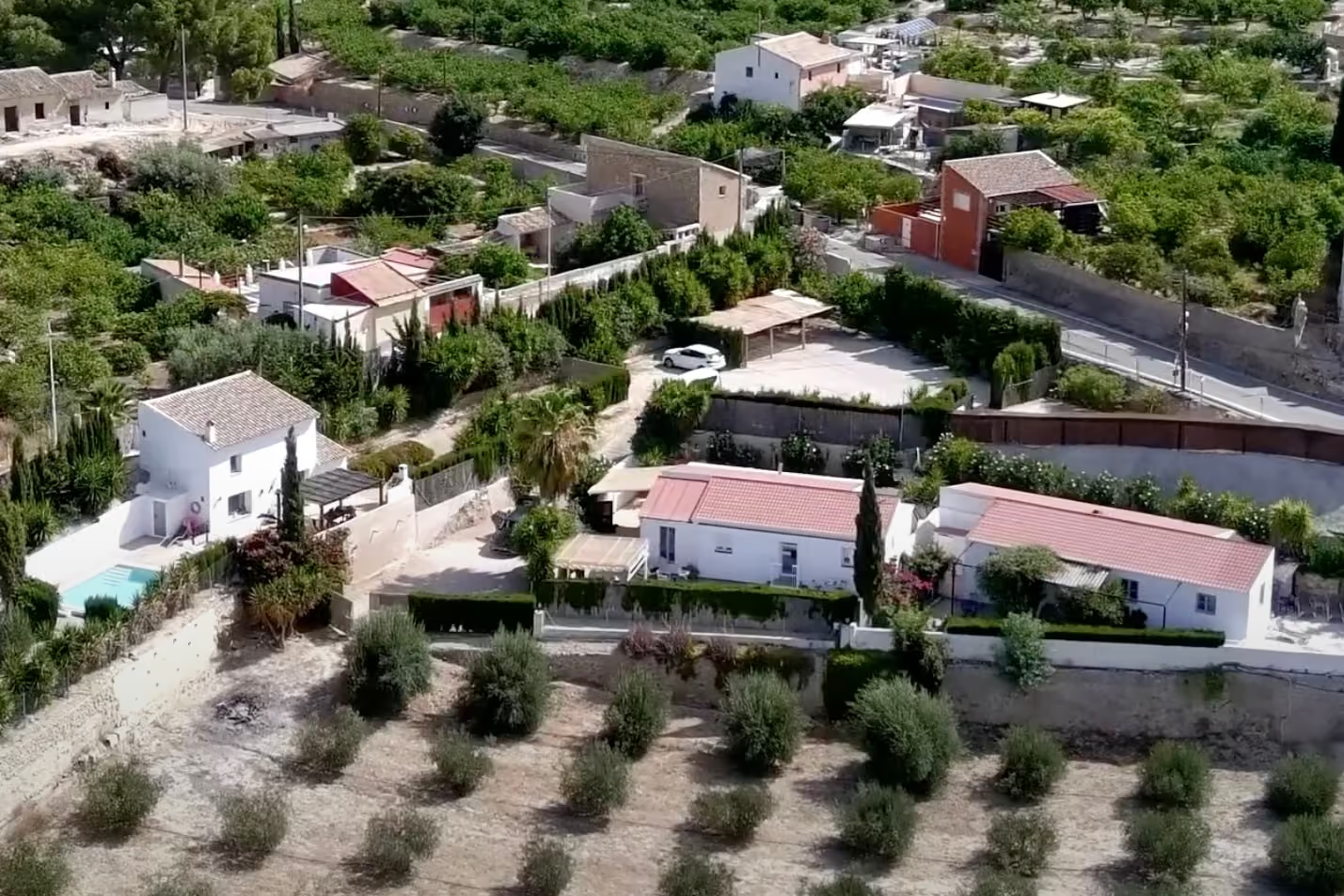
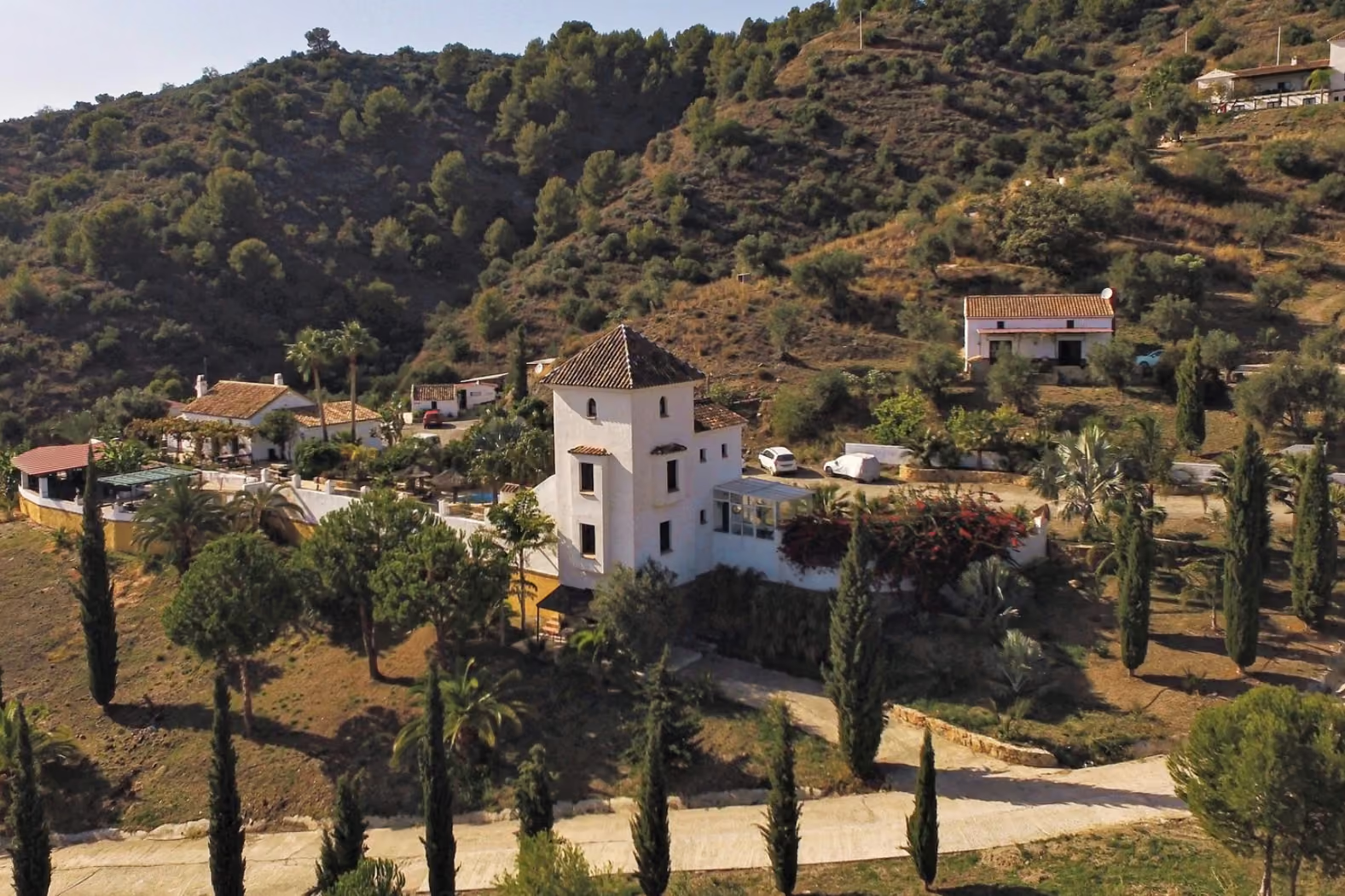
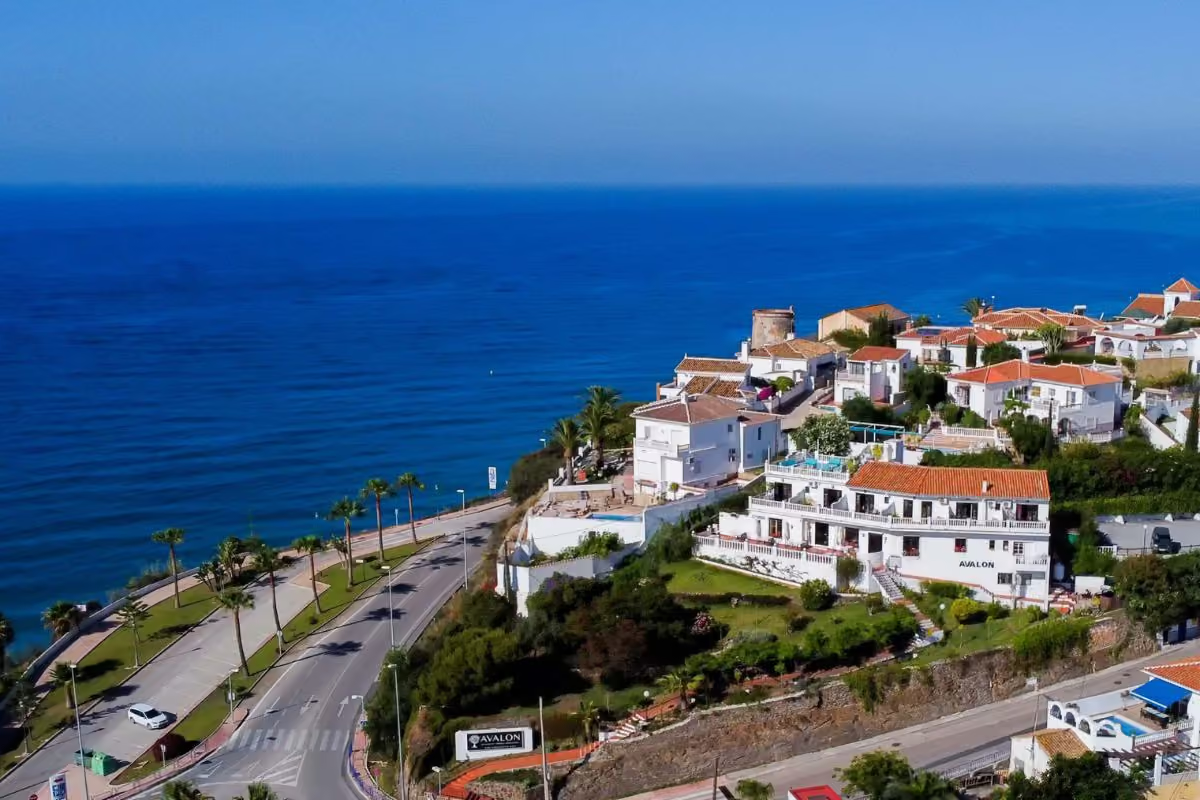
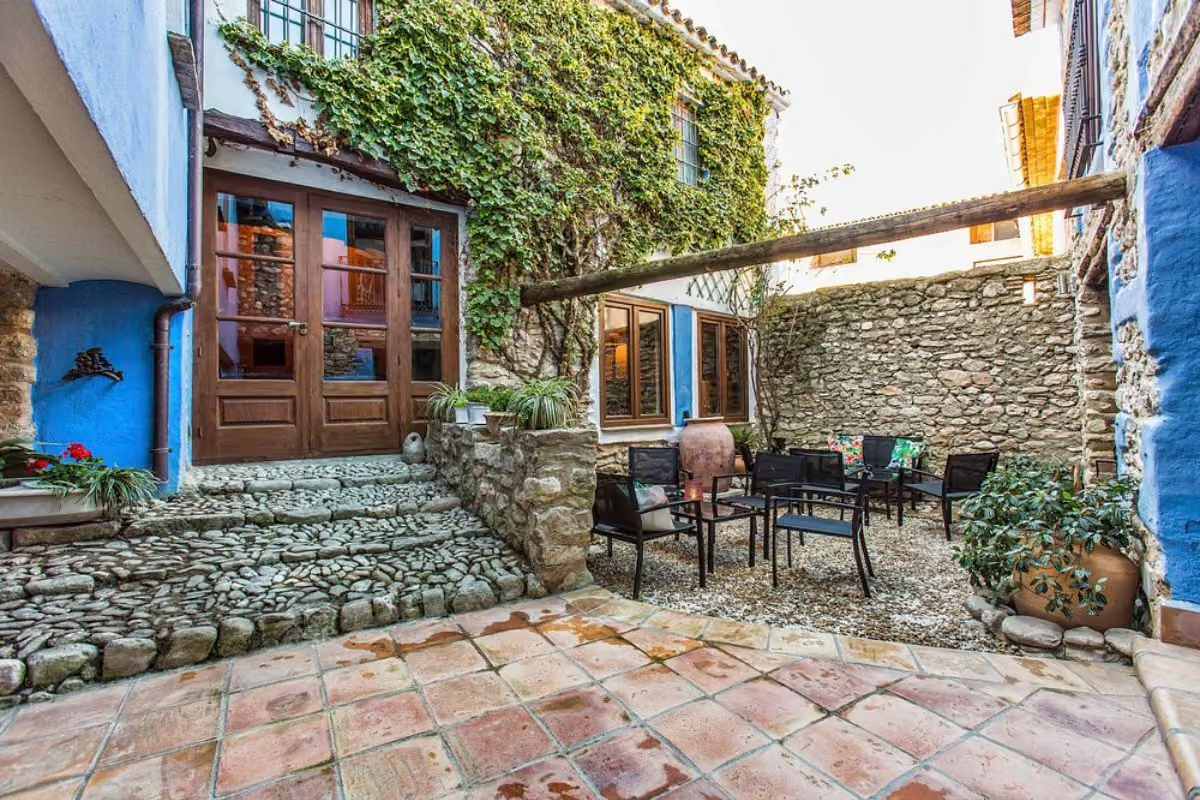
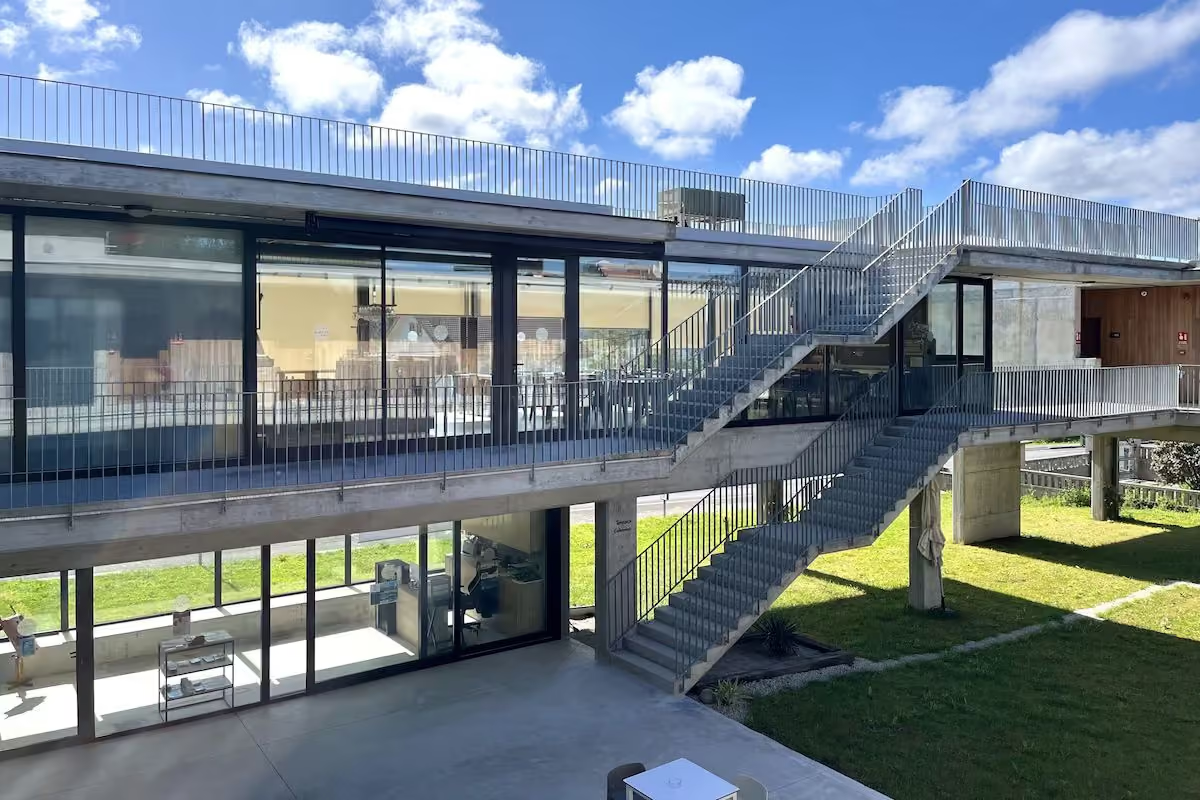
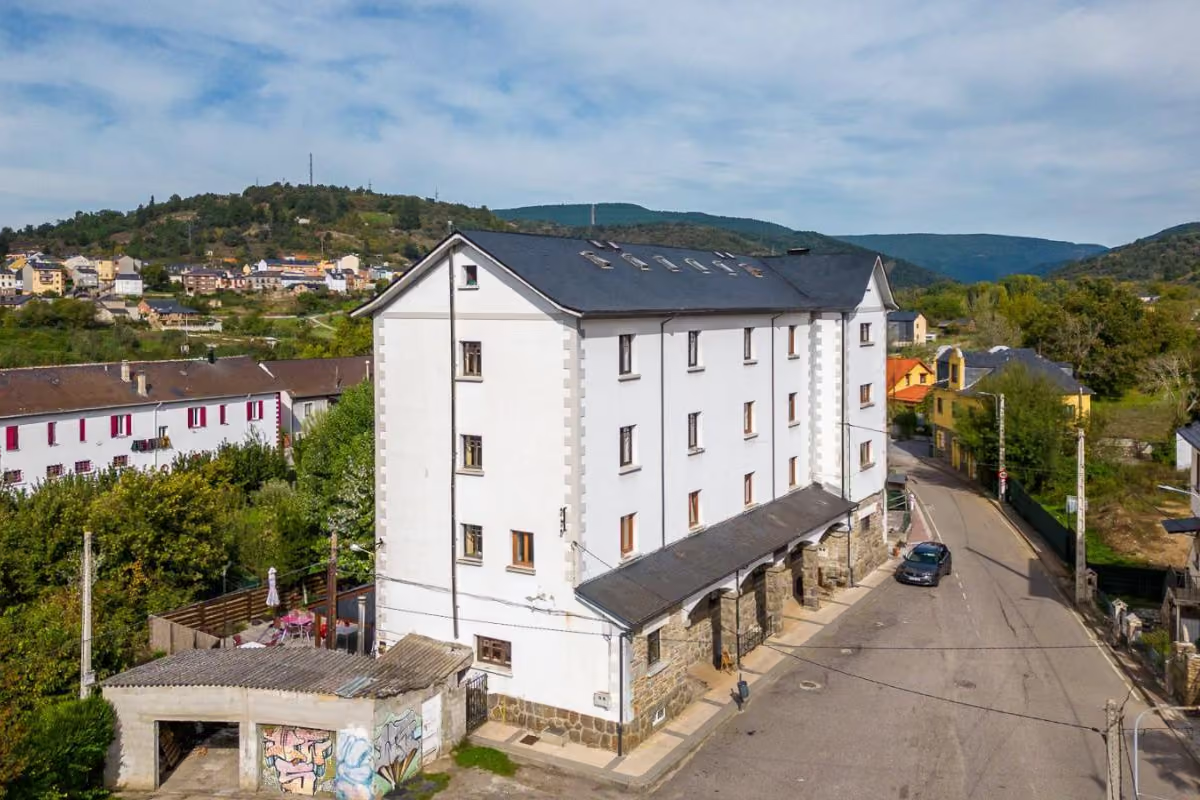
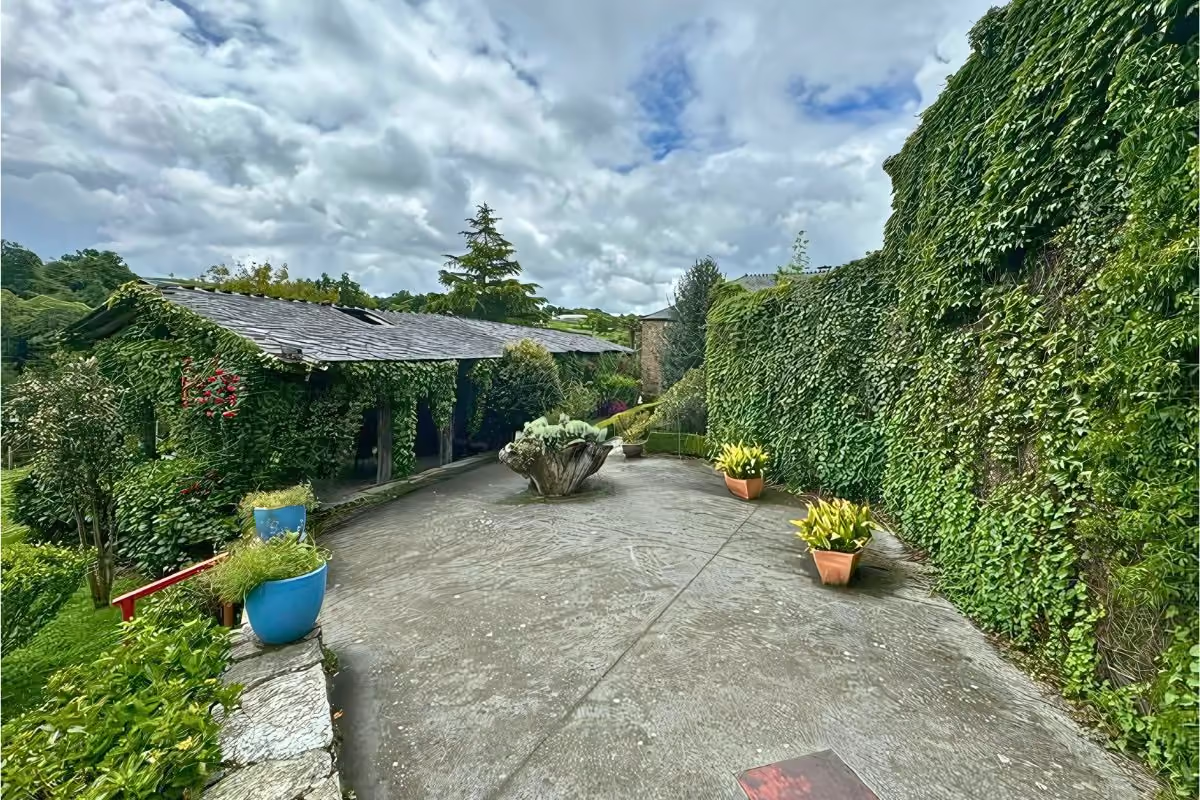
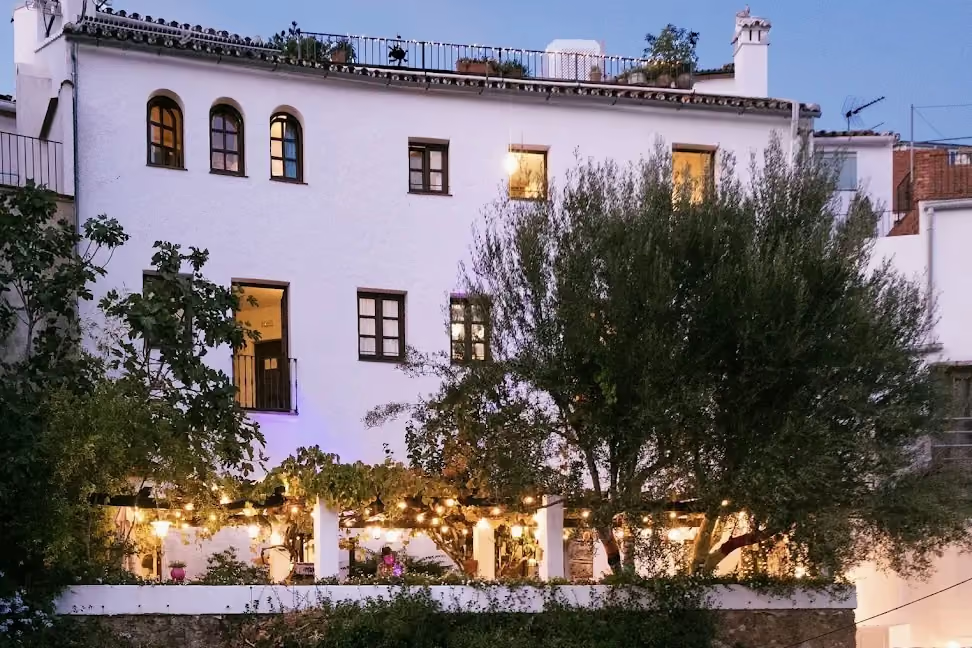
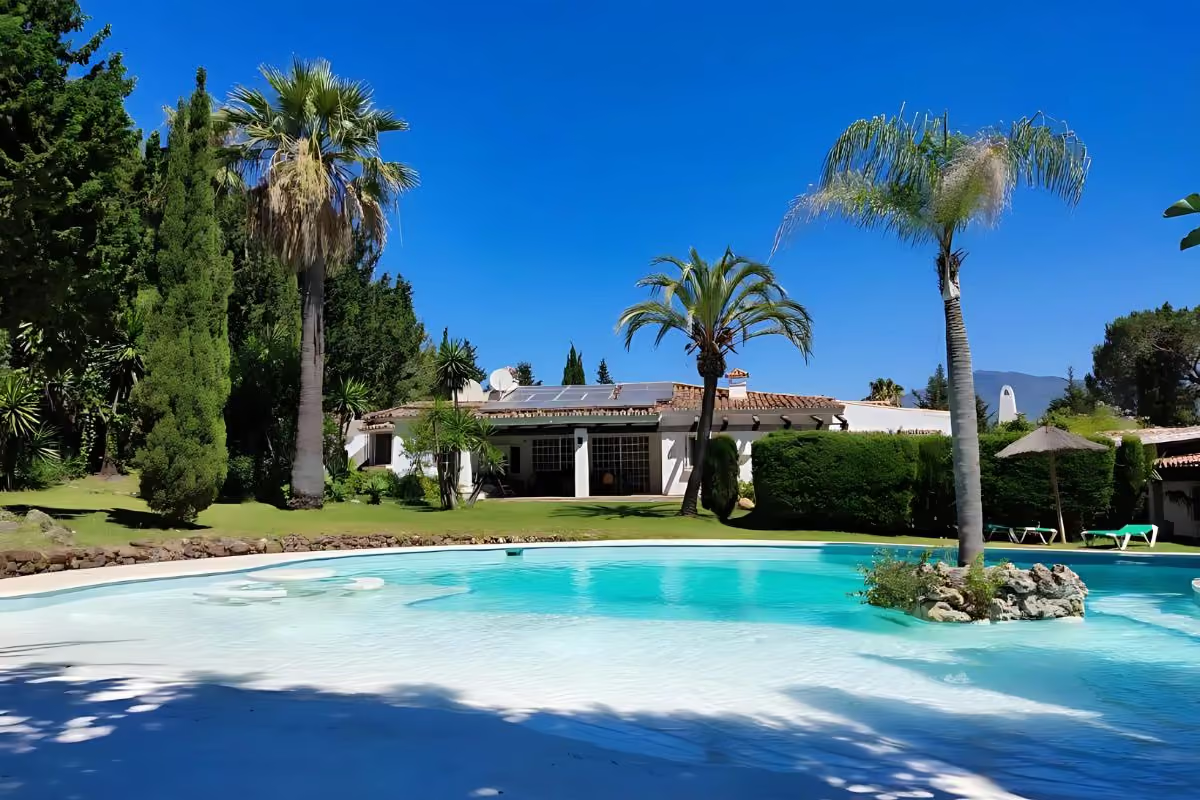
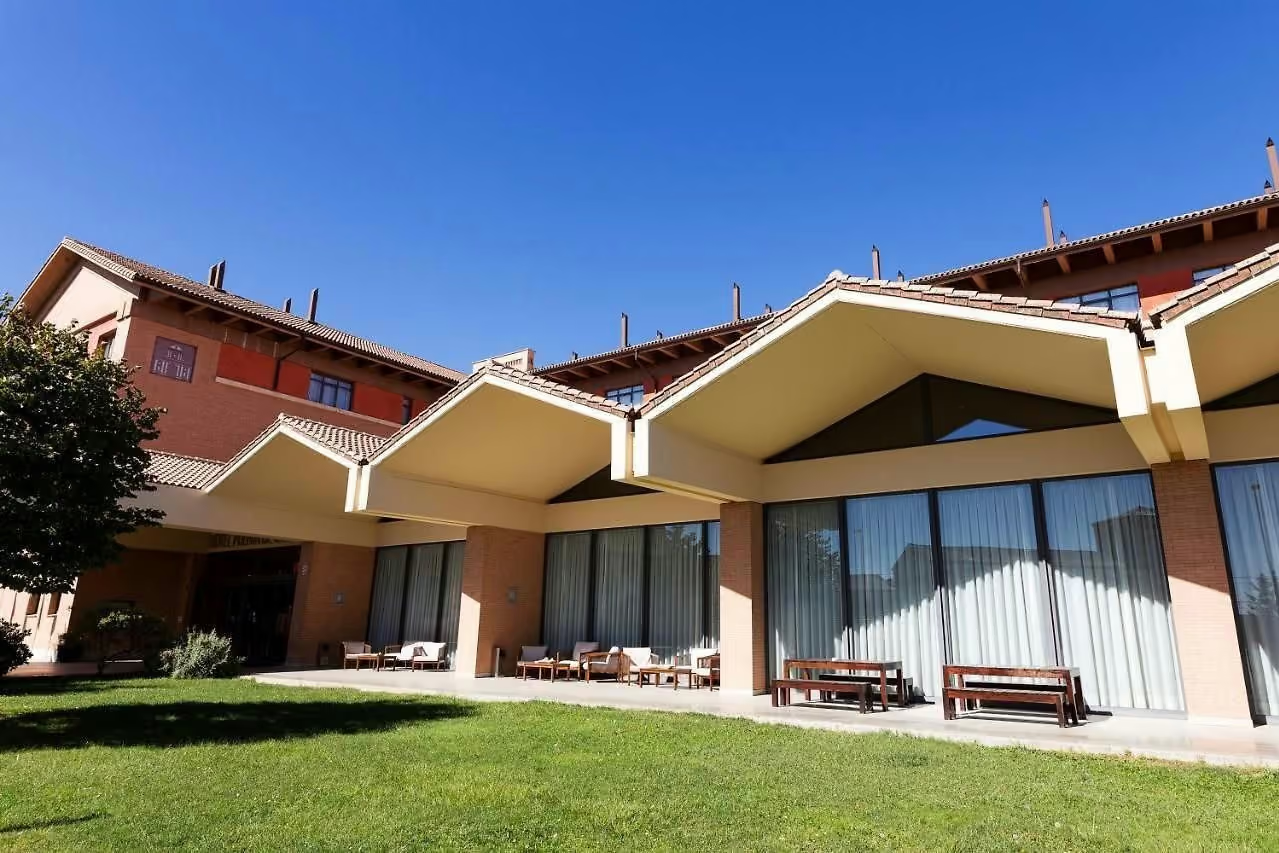
🕵️ We track public listings on 60 real estate websites, curate them, and do some detective work to determine their future potential.
Spain has long been one of the world’s leading tourism destinations. From Barcelona and Madrid to Mediterranean and Atlantic coastlines, island resorts, historic towns, mountain areas, and rural landscapes, the country supports one of Europe’s largest and most diversified hospitality markets.
For hotel investors, Spain combines enormous domestic and international demand with strong infrastructure, extensive air connectivity, and a broad supply of independently operated hospitality businesses. Whether you’re looking for a city boutique, a beach hotel, an island aparthotel, or a rural retreat, Spain offers opportunities across a wide range of budgets and investment strategies.
In 2024, Spain welcomed approximately 93.8 million international visitors and generated €106.5 billion in tourism receipts. Tourism contributed 5.4% of GDP and employed 2.8% of the workforce in core tourism sectors. Spain counted around 3.8 million beds across 57,500 accommodation establishments in 2023, including approximately 19,800 hotels and 12,100 small hotels.
Few European markets combine Spain’s scale, destination diversity, connectivity, and established leisure infrastructure.
The country benefits from a globally recognized tourism brand built around cities, beaches, islands, culture, food and wine, events, golf, and outdoor travel. Demand is spread across several major destinations and regional markets rather than depending on a single tourism hub.
One of the biggest attractions for hotel investors is the diversity of opportunities available. Buyers can choose between urban boutique hotels, guesthouses, aparthotels, beach properties, rural hotels, heritage estates, wellness retreats, and island hospitality businesses.
Spain also demonstrated strong hotel performance in 2024. Average daily rate reached approximately €138, up 9% from the previous year. Occupancy averaged 61%, producing RevPAR of around €84.
Another attractive characteristic of the Spanish market is its large supply of smaller hospitality businesses. Small hotels represent around 61% of the market, creating opportunities for buyers who can improve branding, revenue management, distribution, and operational efficiency.
Spain is not without challenges. July and August accounted for 28% of annual stays, while peak monthly demand was 6.4 times stronger than the trough. Tourism regulation varies by autonomous community and municipality, while staffing, competition, and capital expenditure can be significant in mature resort and island markets.
For buyers willing to understand these dynamics, Spain remains one of Europe’s strongest and most varied hospitality investment markets.
Spain offers opportunities across major cities, established coastal markets, island destinations, mountain areas, and rural regions. The right location depends on your investment goals, budget, and preferred operating model.
| Region | Best For | Typical Hotel Types | Advantages | Considerations |
|---|---|---|---|---|
| Andalusia | Lifestyle, resort, and value-add buyers | Beach hotels, rural hotels, guesthouses | Coast, heritage, strong air access, varied concepts | Seasonality and mature coastal competition |
| Catalonia | City, coast, and mountain buyers | Boutique hotels, country houses, ski hotels | Barcelona gateway, Costa Brava, Girona, Pyrenees | Higher costs and regulation varies by submarket |
| Valencian Community & Murcia | Coastal and value buyers | Beach hotels, B&Bs, rural hotels | Established Mediterranean demand and accessible entry points | Mature competition and local licensing differences |
| Balearic Islands | Premium island investors | Boutique hotels, aparthotels, lifestyle hotels | Global recognition, premium pricing, strong airlift | Higher entry prices, seasonality, and staffing |
| Canary Islands | Year-round and nature operators | Boutique hotels, rural hotels, wellness properties | Warm climate, international demand, distinctive nature product | Island logistics and local compliance |
| Northern & Inland Spain | Heritage, rural, and value-add buyers | Country hotels, inns, retreats | Lower entry prices, wine, pilgrimage, nature | Less international visibility and dispersed demand |
Andalusia is one of Spain’s most diverse hospitality markets, combining Mediterranean and Atlantic coastlines, historic cities, white villages, mountains, and rural estates. Buyers can find beach hotels, boutique properties, guesthouses, wellness concepts, and value-add projects across a wide range of destinations.
Catalonia combines Barcelona, the Costa Brava, Girona, inland heritage markets, and the Pyrenees. The region supports city hotels, coastal boutiques, country properties, and ski businesses, with demand ranging from year-round urban travel to seasonal leisure markets.
The Valencian Community and Murcia offer established Mediterranean resort destinations, accessible airports, coastal towns, and smaller inland markets. They appeal to buyers seeking beach hotels, guesthouses, rural properties, and lifestyle businesses at varied entry points.
Mallorca, Ibiza, Menorca, and Formentera are internationally recognized leisure markets with strong premium and lifestyle positioning. The Balearic Islands are often preferred by buyers targeting boutique hotels, aparthotels, beach properties, and high-end hospitality concepts.
The Canary Islands offer one of Spain’s least seasonal leisure markets, supported by warm weather, international air access, beaches, volcanic landscapes, hiking, wellness, and nature. Buyers can consider boutique hotels, rural properties, guesthouses, and retreat concepts across several islands.
Northern and inland Spain combine heritage cities, pilgrimage routes, wine regions, mountain destinations, Atlantic landscapes, and rural markets. These areas can suit country hotels, inns, retreats, and value-add hospitality businesses with lower entry prices than many coastal and island destinations.
The cost of buying a small hotel in Spain varies significantly depending on location, room count, condition, licensing, seasonality, and whether the transaction includes the real estate, the operating business, or both.
While every property is different, the following ranges provide a useful benchmark for buyers evaluating hotels for sale in Spain:
| Budget Range | Typical Opportunities | Example Opportunity |
|---|---|---|
| Under €1M | Guesthouses, rural hotels, village and renovation projects | Traditional Hotel in Vélez Blanco (€495k) or Andalusian Finca near Málaga (€760k) |
| €1M – €2M | Boutique guesthouses, rural hotels, smaller coastal or mountain properties | Historic Olive Mill Hotel in Ronda (€1.15M) or Andalusian Country House near Granada (€1.75M) |
| €2M – €5M | Established boutique hotels, heritage estates, island and coastal properties | Agritourism Complex near San Vicente de la Barquera (€3M) or Charming Village Hotel in Alaró (€2.5M) |
| €5M+ | Premium island, oceanview, and luxury lifestyle hospitality assets | Luxury Events Venue in Estepona (€5.25M) |
In Spain, location, licensing, and season length are usually the biggest drivers of value. Hotels in the Balearics, Barcelona, Madrid, the Costa del Sol, and other premium coastal destinations command the highest prices, while northern, inland, and secondary coastal markets can offer lower entry points. Buyers should also pay close attention to tourism registration, unpermitted extensions, staff accommodation, and municipality-specific operating rules.
Based on hospitality businesses currently listed on Buy That Hotel in Spain, the typical opportunity is a small to mid-sized hotel with approximately 12 rooms.
Current listings have an average asking price of approximately €1.83 million, with a median asking price of €1.45 million. Many properties appear to be independently operated boutique hotels, guesthouses, rural hotels, and lifestyle hospitality businesses rather than large branded hotel assets.
Looking beyond headline asking prices, the average listing is marketed at approximately €162,000 per room, with a median of around €119,000 per room.
Reported property sizes vary considerably. The average reported area is approximately 10,927 m², but this is heavily distorted by large land-inclusive properties; the median is 841 m². Across current listings, the average asking price is around €2,260 per m², with a median of approximately €1,830 per m². Area fields may include built space, land, or the wider site.
As with any hospitality investment, location, operating season, licensing, property condition, and revenue potential can have a significant impact on value. As a result, two hotels with similar room counts may represent very different investment opportunities.
Buying a hotel in Spain is generally straightforward, but investors should pay close attention to property compliance and tourism licensing, which is administered at autonomous-community and municipal level. In many cases, the biggest risks relate to unapproved works, permitted use, or an operating registration that does not match the existing hotel.
One of the first steps is reviewing a current Nota Simple from the Registro de la Propiedad together with the Catastro, planning documentation, permitted use, and occupancy or completion records. Buyers should confirm ownership, registered charges, boundaries, and that the legal records match the physical property.
Buyers should verify that guest rooms, pools, terraces, annexes, staff accommodation, restaurants, and other additions have been properly approved. Coastal, heritage, protected-area, and land-use restrictions may also affect renovation or expansion.
Discrepancies between the registered or approved property and the existing hotel can create complications during financing, renovation, resale, or licensing.
Hotels in Spain should hold the appropriate tourism registration and classification for their autonomous community, together with any required municipal activity, opening, planning, and safety documentation. Buyers should confirm the approved category, capacity, operator, and current configuration.
Particular attention should be paid to fire safety, accessibility, swimming pools, food and beverage permissions, terraces, environmental or health requirements, and the steps needed to transfer or continue the operation after completion.
Annual revenue figures rarely tell the full story in Spain. Demand patterns differ substantially between Madrid and Barcelona, mainland coastal resorts, the Balearics, the Canary Islands, ski areas, and rural destinations.
Review monthly occupancy, ADR, and revenue data for at least the previous three years to understand closure periods, shoulder-season demand, dependence on OTAs or tour operators, cancellation patterns, and the contribution of groups, events, or domestic travel.
Staffing can be challenging in island, resort, mountain, and remote rural destinations, particularly where employee accommodation is limited. Buyers should understand recruitment requirements, employment obligations, retention, and seasonal staffing costs before completing an acquisition.
Accessibility is equally important. Airport connectivity, road access, ferry links, route frequency, and transfer times can all influence occupancy levels, season length, and long-term growth potential. Buyers should also prepare a realistic capital expenditure plan before agreeing a price.
Most hotel transactions in Spain involve a lawyer, architect or technical surveyor, accountant or tax adviser, and notary. Foreign individual buyers generally require a Spanish NIE. Buyers should obtain legal, technical, and tax advice from professionals familiar with Spanish hospitality assets, particularly when purchasing a company, coastal property, island hotel, or asset with additions or licensing discrepancies.
Can foreigners buy hotels in Spain?
Yes. Foreign investors can purchase hotels and hospitality properties in Spain, subject to standard legal and regulatory procedures. A foreign individual will generally need a Spanish NIE.
Is Spain a good country for hotel investment?
Spain combines enormous tourism demand, high hotel occupancy, strong air connectivity, and a diverse mix of city, coastal, island, and rural markets.
What is the best place to buy a hotel in Spain?
There is no single best location. Andalusia and the Mediterranean coast suit resort concepts, Catalonia combines city and leisure demand, the Canary Islands offer stronger year-round tourism, and northern or inland regions can offer lower entry prices.
How much money do I need to buy a hotel in Spain?
Opportunities can be found below €1 million, although pricing varies significantly by location, size, condition, licensing, and deal structure.
Can buying a hotel in Spain qualify me for the Golden Visa?
No. Spain abolished new investor visas from 3 April 2025. Hotel or property ownership does not automatically grant residency, although another immigration route may apply.
Can I live in the hotel I buy in Spain?
Possibly. Many guesthouses and rural hotels include owner accommodation, but buyers should confirm that residential use is lawful. Ownership does not automatically grant Spanish residency.
Is Spain a seasonal hotel market?
Yes. Mainland resorts and the Balearics are highly seasonal, while major cities and the Canary Islands generally benefit from more balanced demand.
What should I check before buying a hotel?
Check the Nota Simple, Catastro and planning records, permitted use, tourism registration, operating documentation, historical revenue, staffing, capital expenditure, and any unapproved works.
How long does it take to buy a hotel in Spain?
Most transactions take several months, depending on due diligence, financing, licensing, ownership structure, and whether the sale includes the property, the operating company, or both.

Tell us about your investment strategy and we will help you to find the best opportunities.
(Are you a seller? click here)